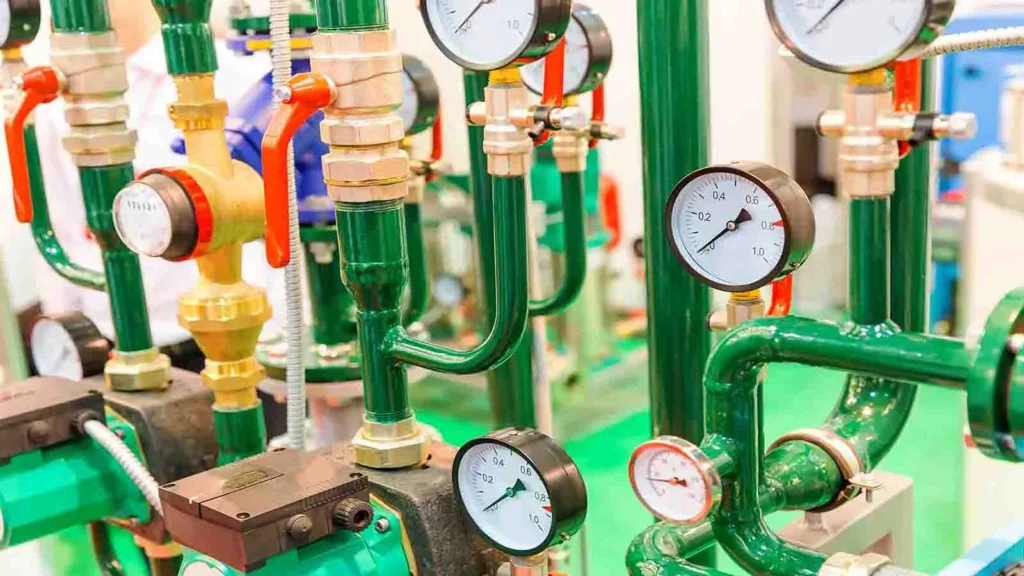
Instrumentation & Control Design Course In Pune prepares students for the growing demand in this field, driven by rapid industrial expansion. National forecasts indicate a steady rise in the need for skilled Instrumentation Engineers across diverse sectors such as manufacturing, energy, healthcare, food production, mining, and environmental management. The course equips learners with the skills needed to enter consultancy roles and hands-on technical positions across these industries.
Professionals in this domain are responsible for measuring and regulating key physical variables like temperature, pressure, and flow. They also work with actuators, positioning devices, and control systems to ensure safe and efficient operations. The Instrumentation & Control Design Course In Pune focuses on practical training and real-world applications, making students job-ready for modern industries that rely heavily on accurate control and automation technologies
Field Scope & Importance
- Learn how to monitor and control industrial processes for optimal performance and safety.
- Understand the selection and application of sensors for measuring temperature, pressure, flow, and level.
- Explore PLC, SCADA, and DCS systems used to automate and regulate complex industrial operations.
- Gain knowledge in transmitting, conditioning, and interpreting signals from field instruments.
- Master calibration procedures to ensure accuracy and reliability of instrumentation.
- Study relevant standards like ISA, IEC, and ISO that govern instrumentation and control practices.
Eligibility
- Fresh/Experienced, Degree/Diploma Instrumentation Engineers
- Fresh/Experienced, Degree/Diploma Electrical Engineers
Working Steps for Instrumentation & Control

System Design
Plan and design instrumentation systems to measure and control process variables like pressure, flow, and temperature.

Component Selection
Choose suitable sensors, transmitters, controllers, and actuators based on system requirements.

Instrument Setup
Install and calibrate instruments to ensure accuracy and reliable system operation.

Performance Monitoring
Continuously monitor system performance and conduct regular maintenance to ensure optimal functionality.
Curriculum
- Instrumentation Design - An Introduction
- Starting a Project
- Control Valve Sizing & Selection
- Flow Instruments
- Level Instruments
- Pressure Instruments
- Instrumentation Control
- Layout & BOQ
- Protection System
- Detail Engineering Project Deliverables
Core Functions of Instrumentation & Control

Real-Time Monitoring
Learn to track & manage industrial processes through accurate instrumentation.

Sensor Applications
Learn how various sensors measure flow, pressure, and temperature.

Control Integration
Gain skills in working with PLC, SCADA, and DCS for process automation.

Signal Conditioning
Explore how signals are processed and transmitted from instruments to control units.

Calibration & Maintenance
Develop expertise in calibrating instruments to maintain accuracy and reliability.

Standards & Safety
Learn industry regulations and safety standards essential for instrumentation practices.
Instrumentation & Control Design Course in Pune
The demand for skilled professionals in the field of industrial automation, process control, and instrumentation is growing rapidly. Industries across oil & gas, chemical, manufacturing, power, water treatment, and pharmaceuticals rely heavily on accurate measurement and control systems. Because of this increasing industry dependency, many learners search specifically for the Instrumentation & Control Design Course in Pune to build a strong technical foundation and improve their career growth. Pune, being one of India’s leading engineering hubs, naturally attracts students and working professionals who aim to specialize in this field.
Instrumentation engineering is far more than just installing devices. It involves designing, selecting, calibrating, configuring, and maintaining instruments used to measure variables such as pressure, temperature, flow, level, speed, pH, and more. Control engineering is another important branch that deals with automating processes, controlling parameters, designing logic, and ensuring efficient plant operations. A well-structured Instrumentation & Control Design Course in Pune helps individuals understand both aspects with an industry-oriented approach.
This comprehensive guide will explain everything about the field—from fundamentals to advanced design concepts—so that learners can confidently choose an Instrumentation Control & Design Course in Pune that matches their career goals.
What Is Instrumentation & Control Design?
Instrumentation & control design focuses on planning and engineering systems that measure and regulate industrial processes. This includes the selection of sensors, transmitters, controllers, control valves, and safety systems. Control design involves logic development, control philosophy, and automation architecture.
An Instrumentation & Control Design Course in Pune usually covers the entire lifecycle of these systems—from conceptual design to commissioning. Individuals learn how to read P&IDs, create loop diagrams, select suitable instruments, design control logics, and ensure plant safety and efficiency.
Why Choose an Instrumentation & Control Design Course in Pune?
Pune has always been known as an engineering hub, home to multiple industries, technical companies, and automation service providers. As a result, the Instrumentation & Control Design Course in Pune offers learners exposure to real-world concepts, practical tools, design methodologies, and industry practices.
Here are some major reasons learners prefer Pune:
Industry-Oriented Environment
Pune has a strong ecosystem of manufacturing, process, and IT-automation companies. Many learners prefer taking an Instrumentation & Control Design Course in Pune because it exposes them to the latest technologies, design tools, and industrial case studies.
Strong Engineering Culture
Pune is known for engineering innovation, making it an ideal place for learners who want to make their career in instrumentation and control design.
Opportunities for Practical Exposure
Many training centers and industries offer hands-on exposure, making an Instrumentation & Control Design Course in Pune highly practical and skill-oriented.
Scope of Instrumentation Control Design in the Industry
Instrumentation and control design plays a critical role in industrial sectors such as:
Oil & Gas
Petrochemical
Pharmaceutical Manufacturing
Water & Wastewater Treatment
Power Plants
Steel & Metal Plants
Food & Beverage Production
Automotive Manufacturing
Chemical Processing
Paper & Pulp Industry
Due to the wide demand, the Instrumentation & Control Design Course in Pune helps learners gain the skills required to work in any of these industries.
Core Topics Covered in an Instrumentation & Control Design Course in Pune
A detailed Instrumentation & Control Design Course in Pune typically includes a vast syllabus, combining theoretical knowledge with practical design exercises. Here is a structured breakdown:
Fundamentals of Instrumentation Engineering
Instrumentation basics include:
Types of measurements
Sensor classifications
Instrument characteristics
Transmitter working principles
Calibration basics
Analog vs digital instrumentation
Understanding these topics is essential for advanced learning in an Instrumentation & Control Design Course in Pune.
Understanding Process Variables
A major part of instrumentation revolves around process variables such as:
Temperature Measurement
Thermocouples, RTDs, bimetallic sensors, IR sensors.
Pressure Measurement
Pressure transmitters, gauges, and diaphragm seals.
Flow Measurement
Orifice plates, Coriolis meters, magnetic flowmeters, ultrasonic flowmeters.
Level Measurement
Ultrasonic, radar, DP-based level measurement.
Learning these concepts is integral to the Instrumentation & Control Design Course in Pune because instrument selection depends heavily on process variable knowledge.
Piping & Instrumentation Diagrams (P&ID)
P&IDs form the backbone of industrial design. Students of an Instrumentation & Control Design Course in Pune learn:
Symbols for instruments
Instrumentation tagging
Reading and interpreting P&IDs
Control loop connections
Interlock and safety systems
P&ID reading is a critical skill for designers and engineers working in the instrumentation field.
Instrument Selection and Sizing
Selection criteria include:
Process conditions
Material compatibility
Accuracy requirements
Safety standards
Environmental conditions
The Instrumentation & Control Design Course in Pune provides frameworks and guidelines for selecting each type of instrument.
Control Valve Engineering
Control valves are essential for regulating process conditions. The course covers:
Types of control valves
Valve sizing
Actuators
Positioners
Cv calculations
Valve characteristics
Materials of construction
Since control valves are critical to operations, an Instrumentation & Control Design Course in Pune spends significant time teaching their design and application.
Control System Architecture
This includes:
PLC systems
DCS systems
SCADA architecture
Fieldbus communication
Industrial networks
Redundancy concepts
Understanding automation architecture is a huge part of an Instrumentation & Control Design Course in Pune because modern plants depend heavily on advanced control.
Loop Diagrams & Hook-Up Drawings
Designers must be proficient in creating:
Loop diagrams
JB wiring diagrams
Hook-up drawings
Cable block diagrams
These documents are essential for implementing field instrumentation, making them an integral part of the Instrumentation & Control Design Course in Pune.
Instrumentation Standards & Codes
Students learn about global standards like:
ISA (Instrumentation Society of Automation)
IEC
API
ASME
ISO
A good Instrumentation & Control Design Course in Pune ensures learners understand these standards to work in global industries.
Safety Instrumented Systems (SIS)
Safety is a crucial part of industrial design. Topics include:
SIL Levels
HAZOP basics
Risk assessment
Reliability and redundancy
Logic solvers
This section of the Instrumentation & Control Design Course in Pune prepares students to design safe and reliable systems.
Documentation & Deliverables
Instrumentation design includes creating:
Datasheets
Specifications
MTO (Material Take-Off)
IQ/OQ/PQ documents
FAT/SAT reports
Documentation is a major part of engineering work, so the Instrumentation & Control Design Course in Pune emphasizes it greatly.
Benefits of Learning Instrumentation & Control Design
Choosing an Instrumentation & Control Design Course in Pune offers numerous benefits:
Builds a strong engineering foundation
Enhances design and analytical skills
Provides expertise in automation technologies
Improves job readiness for industrial roles
Expands career opportunities
Helps in long-term skill development
Who Should Enroll in an Instrumentation & Control Design Course in Pune?
Engineering Students
Mechanical, Electrical, Instrumentation, and Electronics students benefit the most.
Working Professionals
Engineers working in manufacturing, process, or automation industries can upgrade their skills through an Instrumentation & Control Design Course in Pune.
Freshers Seeking Industrial Job Roles
Those looking for specialization often choose this course to gain practical knowledge.
Tools and Software Used in Instrumentation & Control Design
Some of the common tools taught in an Instrumentation & Control Design Course in Pune include:
AutoCAD
SmartPlant Instrumentation (SPI/Intools)
EPLAN
P&ID software
PLC programming tools
SCADA development platforms
Simulation tools
Instrumentation Control Engineering Career Areas
After completing an Instrumentation & Control Design Course in Pune, individuals can explore roles like:
Instrumentation Design Engineer
Control Systems Engineer
Automation Engineer
PLC Programmer
SCADA Engineer
Commissioning Engineer
Maintenance Engineer
Project Engineer
Future Scope of Instrumentation Control Engineering
Industries are shifting toward:
Industry 4.0
IoT-based automation
Smart manufacturing
Robotics integration
Remote monitoring
Predictive maintenance
This makes the Instrumentation & Control Design Course in Pune even more relevant for future growth.
The field of instrumentation and control design is vast, evolving, and essential for modern industries. Whether you are a fresher or an experienced professional, choosing the Instrumentation & Control Design Course in Pune helps you build a strong technical foundation and prepares you for global industrial standards. Pune’s engineering ecosystem makes it a preferred destination for learners who want deep knowledge, practical exposure, and advanced design skills in instrumentation and control systems.
If you aim to build expertise in process control, automation, and instrument design, then an Instrumentation & Control Design Course in Pune is one of the most effective pathways to achieve your engineering goals.