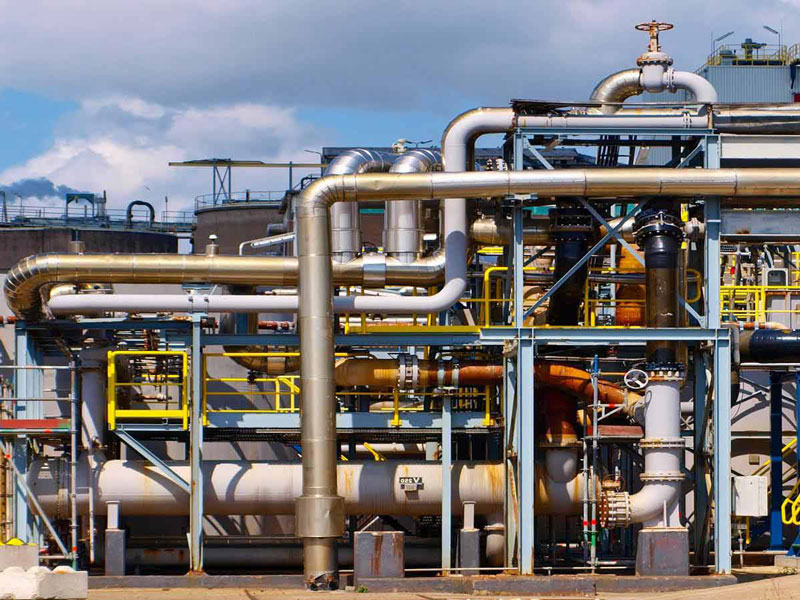
The Advance Pipe Stress Engineering Course in Surat is emerging as one of the most specialized and industry-focused training programs for engineers who want to build expertise in piping design, stress analysis, and mechanical integrity of industrial piping systems. With industries experiencing rapid expansion in oil and gas infrastructure, petrochemical facilities, power generation plants, and refinery operations, the demand for qualified pipe stress engineers is growing significantly across India and global markets.
Modern industrial facilities rely on complex piping networks that transport fluids, gases, chemicals, and high-temperature materials under extreme operating conditions. These piping systems must withstand thermal expansion, pressure fluctuations, vibration loads, seismic forces, and dynamic operational stresses while maintaining structural integrity and safety compliance throughout their operational lifetime.
The Advance Pipe Stress Engineering Course in Surat equips students and working professionals with advanced technical skills required to analyze, design, and validate industrial piping systems using global engineering standards and industry-recognized software tools. This specialized training addresses the critical need for professionals who can ensure piping system reliability, prevent catastrophic failures, optimize plant safety, and meet stringent international codes and standards.
Pipe stress engineers play a crucial role in evaluating how piping systems respond to various loads including internal pressure, thermal expansion, weight loads, wind forces, earthquake loads, and dynamic operating conditions. They work with advanced analysis software, conduct finite element studies, perform flexibility analysis, evaluate support requirements, and ensure compliance with codes such as ASME B31.3, ASME B31.1, and international piping standards.
The Advance Pipe Stress Engineering Course in Surat focuses on practical engineering applications, real-world project scenarios, and hands-on software training, preparing learners for high-demand roles in EPC companies, engineering consultancies, oil and gas operators, and manufacturing industries worldwide.
Field Scope & Importance of Pipe Stress Engineering
- Analyze thermal expansion and flexibility of piping systems to prevent overstressing and equipment damage
- Design pipe support systems and restraints based on load calculations and structural requirements
- Perform finite element analysis using industry-standard software like CAESAR II and AutoPIPE
- Evaluate stress intensification factors at elbows, tees, reducers, and branch connections
- Ensure compliance with ASME codes including B31.3 for process piping and B31.1 for power piping
- Conduct dynamic analysis for vibration, pulsation, and seismic loading conditions
Eligibility
- Fresh or experienced Mechanical, Chemical, or Civil Engineering graduates
- Piping design engineers seeking specialization in stress analysis
- Plant engineers working in oil, gas, petrochemical, and power industries
- CAD engineers transitioning to advanced piping stress roles
- Project engineers involved in EPC and industrial construction projects
- Working professionals upgrading skills for career advancement in piping engineering
Working Steps for Advance Pipe Stress Engineering

System Design
Engineers review P&IDs, piping layouts, isometric drawings, operating temperature and pressure data, material specifications, and equipment details.

Load Definition
Engineers apply various load cases, including: Sustained loads (pipe weight + pressure) Thermal expansion loads Occasional wind loads Seismic earthquake loads Dynamic vibration loads

Stress Analysis
Piping systems are modeled using CAESAR II software to simulate real operating conditions.

Compliance Check
Check results against design codes like ASME B31.3 and generate reports. Ensure the system is safe, reliable, and documentation-ready.
Curriculum
- Introduction to Pipe Stress Analysis
- Stress Categories
- Pipe Support Span Calculations
- Standard Compliance for various equipments
- Piping Configuration
- Miscellaneous
- Defining Load Cases
- Code Compliance: Stresses –Sustained, Expansion,Operating, Occasional
- Typical Piping Configuration for ease in analysis
Core Functions of a Advanced Pipe Stress Engineering

Piping Flexibility Analysis
Understand how piping systems expand and contract under temperature changes and how loops and offsets absorb stress.

Equipment Protection
Learn how excessive loads affect pumps, compressors, heat exchangers, and pressure vessels.

Support Engineering
Design support systems that ensure controlled movement and long-term stability.

Dynamic and Seismic Analysis
Analyze vibration, seismic response spectrum, and wind-induced forces.

Code Compliance & Safety
Ensure piping systems meet ASME, API, and global safety standards.

Safety Assurance
Focuses on preventing failure, leaks, and damage in critical piping systems.
Ready to Master Pipe Stress Engineering?
The Advance Pipe Stress Engineering Course in Surat provides learners with specialized expertise to design, analyze, and validate industrial piping systems that form the lifeline of process industries. In modern engineering projects, pipe stress analysis is not optional—it has become a mandatory requirement for ensuring plant safety, preventing equipment failures, optimizing operational reliability, and meeting international engineering standards.
Surat, being one of Gujarat’s most industrially vibrant cities with proximity to major petrochemical complexes, refinery projects, and manufacturing hubs, offers excellent opportunities for engineers pursuing specialized piping training. The city’s strategic location in Gujarat’s industrial corridor provides access to major oil and gas infrastructure, chemical processing facilities, power generation projects, and export-oriented manufacturing industries.
With significant investments in petrochemical expansion, LNG terminals, gas pipeline networks, and industrial infrastructure development, Surat provides a dynamic environment for building a successful career in pipe stress engineering and piping design.
Why Choose an Advance Pipe Stress Engineering Course in Surat?
Powering Critical Infrastructure
Pipe stress engineering forms the backbone of process plant design, ensuring that piping systems can safely handle extreme operating conditions across industries such as oil refineries, petrochemical complexes, LNG facilities, power plants, offshore platforms, chemical processing units, and pharmaceutical manufacturing.
Every major industrial project requires pipe stress analysis to prevent catastrophic failures, protect expensive equipment, ensure personnel safety, and maintain operational continuity. Pipe stress engineers analyze how piping systems respond to temperature changes, pressure variations, external loads, and dynamic conditions, designing solutions that maintain mechanical integrity throughout the plant lifecycle.
Surat’s proximity to Gujarat’s industrial heartland—including Hazira petrochemical complex, ONGC facilities, and numerous manufacturing industries—creates substantial demand for skilled pipe stress engineers. Major EPC contractors, engineering consultancies, and industrial operators in the region require professionals who can handle complex stress analysis projects using global engineering standards.
Engineers seeking similar specialized training in nearby regions can also explore the Advance Pipe Stress Engineering Course in Thane, which offers excellent exposure to Mumbai’s extensive petrochemical, pharmaceutical, and EPC industry ecosystem.
The Advance Pipe Stress Engineering Course in Surat trains engineers to perform comprehensive stress analysis, optimize piping layouts, and solve real-world engineering challenges using industry-standard methodologies and advanced software tools.
Surat’s Industrial Advantage
Surat’s industrial landscape extends beyond its famous textile and diamond industries to include significant chemical processing, petrochemical operations, heavy engineering, and manufacturing sectors. The city’s location in Gujarat—India’s leading industrial state—provides unique advantages for piping engineering professionals.
The region offers opportunities in:
- Petrochemical and refinery-linked piping projects
- Chemical processing plant design and engineering
- Power generation and utility piping systems
- LNG and gas processing infrastructure
- Industrial manufacturing and process plants
- EPC project execution and engineering consultancy
From major infrastructure projects to plant expansion initiatives, Surat and surrounding Gujarat region offer the perfect environment for launching a specialized career in pipe stress engineering.
What You’ll Learn in an Advance Pipe Stress Engineering Course in Surat
Comprehensive Industry-Focused Curriculum
The course delivers an advanced, specialized curriculum designed specifically for mechanical and piping engineers who want to master stress analysis techniques.
The Advance Pipe Stress Engineering Course in Surat covers:
- Fundamentals of Piping Stress Analysis: Understanding stress categories, code requirements, and failure modes
- CAESAR II Software Training: Hands-on modeling and analysis using industry’s most widely used stress analysis tool
- ASME Code Interpretation: Deep dive into B31.3 process piping and B31.1 power piping codes
- Thermal Expansion Calculations: Methods for analyzing and accommodating thermal growth
- Support Design and Selection: Systematic approach to designing hangers, restraints, anchors, and guides
- Nozzle Load Analysis: Evaluating equipment nozzle loads against API and vendor specifications
- Dynamic Analysis: Wind, seismic, vibration, and harmonic analysis techniques
- Material Selection: Understanding material properties, stress-strain behavior, and temperature effects
Through real project case studies and practical assignments, learners gain hands-on expertise directly applicable to industrial engineering environments.
Industry-Oriented Practical Training
Practical software proficiency and real-world problem-solving form the core strengths of pursuing an Advance Pipe Stress Engineering Course in Surat.
Training includes:
- Complete CAESAR II workflow from model creation to report generation
- Analyzing complex piping configurations including loops, branches, and expansion joints
- Designing spring hangers and constant support hangers for optimal load distribution
- Evaluating nozzle loads on pumps, compressors, heat exchangers, and vessels
- Performing flexibility analysis to identify overstressed areas and optimization opportunities
- Conducting dynamic analysis for vibration-prone systems and seismic zones
- Interpreting stress analysis results and making design recommendations
- Preparing professional stress analysis reports and support drawings
This practical approach ensures engineers become immediately productive in real EPC project environments.
Software and Tools Exposure
Modern pipe stress engineering requires proficiency in specialized analysis software and engineering tools. Learners gain comprehensive exposure to:
- CAESAR II: Industry-standard pipe stress analysis software
- AutoPIPE: Alternative stress analysis platform
- AutoCAD 3D: For creating piping isometrics and support drawings
- PV Elite: For pressure vessel analysis and nozzle load evaluation
- Navisworks: For 3D model review and clash detection
- MS Excel: For custom calculations and load summaries
Many pipe stress professionals enhance their career prospects by combining stress analysis skills with related disciplines. Engineers interested in broader mechanical engineering expertise often complement their training with programs like the Process Equipment Design Course in Mumbai, which covers pressure vessels, heat exchangers, and rotating equipment design—knowledge that directly supports effective pipe stress analysis and equipment interface understanding.
Career Opportunities After Completion
Completing an Advance Pipe Stress Engineering Course in Surat opens pathways to multiple high-demand engineering roles, including:
- Pipe Stress Engineer/Analyst: Performing detailed stress analysis for oil, gas, and petrochemical projects
- Piping Design Engineer: Designing piping layouts with integrated stress considerations
- Mechanical Design Engineer: Handling comprehensive mechanical engineering deliverables
- Project Engineer: Managing piping engineering packages in EPC projects
- Lead Pipe Stress Engineer: Supervising stress analysis teams and reviewing deliverables
- Consultant: Providing specialized stress analysis services to multiple clients
- Senior Engineering Specialist: Subject matter expert role in large engineering organizations
Starting salaries for pipe stress engineers typically range from ₹4–6 lakhs annually for freshers, while experienced professionals with 5+ years can command ₹10–20 lakhs or more, especially in international EPC projects, offshore engineering, and specialized consultancy roles.
Industries Hiring Pipe Stress Engineers in Surat and Gujarat
Pipe stress analysis expertise is in demand across diverse industries including:
- Oil & Gas: Upstream, midstream, and downstream infrastructure projects
- Petrochemical & Refineries: Complex process piping systems with high temperature and pressure
- Power Generation: Thermal, nuclear, and renewable energy piping systems
- Chemical Processing: Specialty chemicals and industrial chemical plants
- Pharmaceutical Manufacturing: Hygienic and high-purity piping systems
- LNG & Gas Processing: Cryogenic and high-pressure gas handling systems
- EPC Contractors: Engineering, procurement, and construction companies
- Engineering Consultancies: Design and engineering service providers
Gujarat’s robust industrial base, combined with Surat’s strategic location, ensures consistent demand for qualified pipe stress engineering professionals.
Software Mastery: CAESAR II and Beyond
The Advance Pipe Stress Engineering Course in Surat places special emphasis on CAESAR II, the global industry standard for pipe stress analysis. Learners develop comprehensive skills in:
Model Building
- Creating accurate piping models with correct geometry and connectivity
- Defining material properties, operating conditions, and design parameters
- Modeling various piping components including bends, reducers, flanges, and valves
- Incorporating equipment flexibility and vendor data
Load Case Definition
- Setting up sustained load cases (pressure, weight, content)
- Defining operating load cases (sustained + thermal expansion)
- Creating occasional load cases (wind, seismic, relief valve discharge)
- Performing hydrostatic test analysis
Analysis Execution
- Running static analysis for all load combinations
- Interpreting code compliance checks and stress ratios
- Identifying problem areas with excessive stresses or deflections
- Optimizing piping routing and support locations
Support Design
- Selecting appropriate support types based on pipe movements
- Calculating spring hanger loads and designing constant supports
- Defining restraints to control unwanted movements
- Verifying support adequacy under all load conditions
Results Interpretation
- Reviewing stress reports and identifying code violations
- Evaluating equipment nozzle loads against allowable limits
- Analyzing support loads and reactions
- Making design modifications to achieve code compliance
Documentation
- Generating professional stress analysis reports
- Creating support location drawings and load tables
- Preparing design basis and calculation summaries
- Documenting assumptions and recommendations
Understanding ASME Codes and Standards
The Advance Pipe Stress Engineering Course in Surat provides in-depth coverage of critical industry codes:
ASME B31.3 Process Piping
- Scope and applicability for process industry piping
- Allowable stress values and stress intensification factors
- Flexibility analysis requirements and acceptance criteria
- Material selection and fabrication requirements
ASME B31.1 Power Piping
- Requirements for power plant piping systems
- High-temperature creep considerations
- Code compliance for steam and condensate systems
API 610 & API 617
- Nozzle load limits for pumps and compressors
- Evaluating piping loads against equipment specifications
ASME Section VIII
- Understanding pressure vessel design for nozzle load evaluation
- Interface between piping and pressure equipment
Dynamic Analysis Capabilities
Advanced topics covered in the Advance Pipe Stress Engineering Course in Surat include:
Vibration Analysis
- Identifying vibration sources in piping systems
- Performing frequency analysis to avoid resonance
- Designing solutions for vibration mitigation
Seismic Analysis
- Response spectrum analysis for earthquake loading
- Seismic support and restraint design
- Code requirements for seismic zones
Harmonic Analysis
- Analyzing pulsation effects in reciprocating equipment piping
- Designing pulsation dampeners and support systems
Fluid Transient Analysis
- Understanding water hammer and surge effects
- Evaluating transient pressure loads on piping systems
Career Growth and Future Trends
The future of pipe stress engineering is evolving with technological advancements:
Digital Engineering Integration
- Cloud-based analysis platforms enabling global collaboration
- Integration with 3D plant design software (PDMS, E3D, SmartPlant)
- Automated stress analysis and optimization tools
Advanced Materials
- High-performance alloys for extreme conditions
- Composite piping materials requiring specialized analysis
- Fatigue and creep analysis for long-term operation
Sustainability Focus
- Energy-efficient piping design reducing pressure drops
- Hydrogen piping systems for clean energy infrastructure
- Carbon capture and storage (CCS) piping networks
Industry 4.0 Applications
- AI-assisted design optimization
- Predictive maintenance based on stress monitoring
- Digital twin technology for real-time system monitoring
These trends make the Advance Pipe Stress Engineering Course in Surat highly valuable for building a future-proof engineering career.
Real-World Project Applications
The course emphasizes practical application through realistic project scenarios:
- Refinery Piping Systems: Analyzing high-temperature crude and product lines
- Petrochemical Units: Stress analysis for ethylene, propylene, and chemical processing
- Power Plant Piping: Main steam, reheat, and condensate systems
- Offshore Platforms: Compact piping arrangements with seismic considerations
- LNG Facilities: Cryogenic piping with extreme temperature differentials
- Pharmaceutical Clean Utilities: Hygienic piping with strict code requirements
Why Surat is Ideal for Pipe Stress Training
Surat offers unique advantages for engineers pursuing the Advance Pipe Stress Engineering Course in Surat:
Industrial Proximity
- Close to Hazira industrial belt with major petrochemical complexes
- Access to ONGC facilities and gas processing infrastructure
- Proximity to numerous chemical and manufacturing plants
Economic Growth
- Rapidly expanding industrial base creating engineering opportunities
- Growing EPC activity in Gujarat industrial corridor
- Increasing demand for specialized engineering talent
Strategic Location
- Well-connected to major industrial cities (Mumbai, Ahmedabad, Vadodara)
- Gateway to Gujarat’s extensive oil, gas, and petrochemical industry
- Access to both domestic and international project opportunities
Cost Effectiveness
- Affordable living costs compared to metros like Mumbai or Bangalore
- Competitive course fees with excellent quality training
- High return on investment for career development
Practical Learning Approach
The Advance Pipe Stress Engineering Course in Surat adopts a hands-on learning methodology:
- Real Project Case Studies: Analyzing actual industrial piping systems
- Software Practice Sessions: Extensive CAESAR II modeling and analysis
- Problem-Solving Workshops: Tackling common stress analysis challenges
- Code Interpretation Exercises: Applying ASME codes to design scenarios
- Support Design Practice: Designing spring hangers and restraints
- Report Writing Training: Creating professional engineering deliverables
This practical focus ensures graduates are immediately productive in engineering roles.
Success Factors for Pipe Stress Engineers
To excel in pipe stress engineering, professionals should develop:
Technical Competence
- Strong fundamentals in mechanics of materials and structural analysis
- Proficiency in CAESAR II and stress analysis software
- Deep understanding of ASME codes and industry standards
Engineering Judgment
- Ability to identify critical piping systems requiring detailed analysis
- Making practical design decisions balancing cost and safety
- Recognizing when advanced analysis techniques are necessary
Communication Skills
- Explaining technical findings to non-specialists
- Writing clear, professional engineering reports
- Collaborating with multidisciplinary project teams
Continuous Learning
- Staying updated with code revisions and industry practices
- Learning new analysis techniques and software tools
- Understanding evolving industry technologies
Conclusion – Launch Your Pipe Stress Engineering Career in Surat
The field of pipe stress engineering is essential for industries that depend on safe, reliable piping infrastructure operating under challenging conditions. Whether you are a fresh mechanical engineering graduate looking to enter specialized engineering domains or an experienced piping designer aiming to advance your technical expertise, choosing an Advance Pipe Stress Engineering Course in Surat provides the ideal foundation for long-term professional success.
Surat’s strategic industrial location, proximity to Gujarat’s extensive petrochemical and manufacturing ecosystem, and growing demand for specialized engineering talent make it an excellent choice for engineers seeking to build future-ready careers in pipe stress analysis and piping engineering.
The Advance Pipe Stress Engineering Course in Surat equips you with industry-recognized skills, software proficiency, and practical engineering knowledge that global employers value highly. From performing complex stress calculations to optimizing piping layouts, from ensuring code compliance to preventing costly failures, pipe stress engineers play a critical role in industrial project success.
If your goal is to master advanced stress analysis techniques, become proficient in CAESAR II software, understand ASME piping codes comprehensively, and build a rewarding career in oil and gas, petrochemical, power, or EPC industries, then enrolling in an Advance Pipe Stress Engineering Course in Surat is one of the most strategic investments in your engineering future.
The combination of specialized technical training, practical software skills, and industry-focused learning makes the Advance Pipe Stress Engineering Course in Surat an essential stepping stone for engineers aspiring to excel in this high-demand, technically challenging, and professionally rewarding field of mechanical and piping engineering.