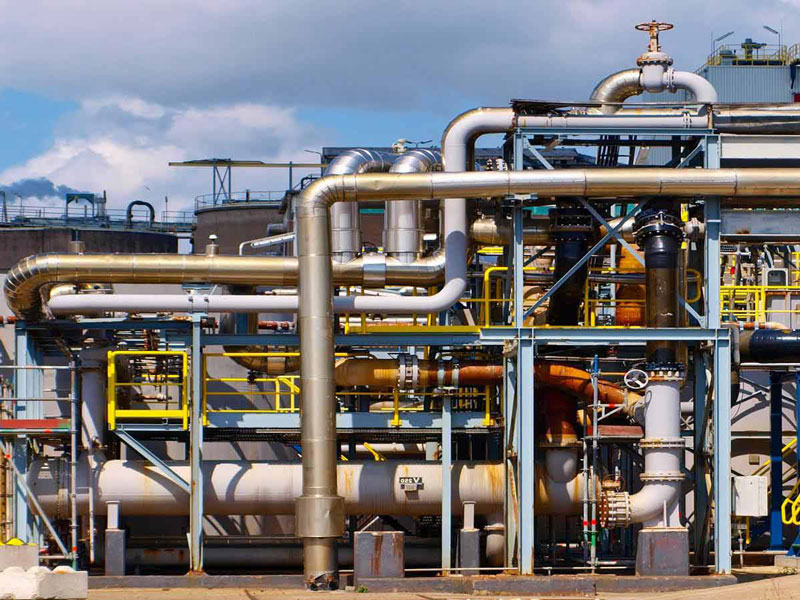
The Advance Pipe Stress Engineering Course in Valsad is rapidly becoming one of the most sought-after specialized training programs for engineers aspiring to build expertise in piping stress analysis, mechanical integrity assessment, and industrial piping system design. With India’s industrial infrastructure experiencing unprecedented growth in petrochemical complexes, refinery expansions, LNG terminals, and power generation facilities, the demand for qualified pipe stress engineers is increasing dramatically across domestic and international markets.
Modern industrial facilities operate with intricate networks of piping systems that transport hazardous chemicals, high-temperature fluids, cryogenic liquids, and pressurized gases under extreme operating conditions. These critical piping infrastructures must withstand complex loading scenarios including thermal expansion forces, internal pressure stresses, seismic loads, wind forces, vibration effects, and dynamic operational disturbances while maintaining absolute safety and structural integrity throughout their design life.
The Advance Pipe Stress Engineering Course in Valsad prepares engineering graduates and working professionals for this technically demanding field through comprehensive training in stress analysis methodologies, industry-standard software applications, global code compliance, and practical engineering problem-solving. This specialized course addresses the industry’s critical requirement for professionals capable of ensuring piping system reliability, preventing catastrophic mechanical failures, optimizing plant safety standards, and delivering projects that meet stringent international engineering specifications.
Pipe stress engineers serve as crucial technical specialists who evaluate how complex piping configurations respond to various mechanical and thermal loads. They perform sophisticated calculations using advanced finite element analysis tools, conduct detailed flexibility studies, design optimal pipe support systems, evaluate equipment nozzle load limitations, and ensure absolute compliance with codes such as ASME B31.3, ASME B31.1, and numerous other international piping design standards.
The Advance Pipe Stress Engineering Course in Valsad emphasizes hands-on practical training, real-world industrial project exposure, and comprehensive software proficiency development, ensuring learners emerge fully prepared for challenging engineering roles in global EPC contractors, engineering consultancies, operating companies, and industrial facilities across multiple industry sectors.
Field Scope & Importance of Pipe Stress Engineering
- Master thermal expansion analysis techniques to accommodate temperature-induced movements without overstressing piping systems
- Design comprehensive pipe support arrangements including spring hangers, constant supports, and restraints based on rigorous engineering calculations
- Perform advanced finite element analysis using globally recognized software platforms like CAESAR II and AutoPIPE
- Evaluate critical stress concentration factors at pipe elbows, branch connections, reducers, and complex piping configurations
- Ensure strict ASME code compliance covering B31.3 process piping, B31.1 power piping, and specialized application codes
- Execute dynamic analysis procedures addressing vibration phenomena, pulsation effects, and seismic design requirements
Eligibility
- Fresh or experienced Mechanical, Chemical, or Petroleum Engineering graduates
- Piping design professionals seeking advancement into analytical engineering roles
- Plant engineers working in refineries, petrochemical facilities, and process industries
- CAD technicians aiming to transition into higher-level engineering positions
- Project engineers managing EPC construction and commissioning activities
- Working professionals pursuing career growth and salary advancement in piping engineering
Working Steps for Advance Pipe Stress Engineering

System Design
Engineers review P&IDs, piping layouts, isometric drawings, operating temperature and pressure data, material specifications, and equipment details.

Load Definition
Engineers apply various load cases, including: Sustained loads (pipe weight + pressure) Thermal expansion loads Occasional wind loads Seismic earthquake loads Dynamic vibration loads

Stress Analysis
Piping systems are modeled using CAESAR II software to simulate real operating conditions.

Compliance Check
Check results against design codes like ASME B31.3 and generate reports. Ensure the system is safe, reliable, and documentation-ready.
Curriculum
- Introduction to Pipe Stress Analysis
- Stress Categories
- Pipe Support Span Calculations
- Standard Compliance for various equipments
- Piping Configuration
- Miscellaneous
- Defining Load Cases
- Code Compliance: Stresses –Sustained, Expansion,Operating, Occasional
- Typical Piping Configuration for ease in analysis
Core Functions of a Advanced Pipe Stress Engineering

Piping Flexibility Analysis
Understand how piping systems expand and contract under temperature changes and how loops and offsets absorb stress.

Equipment Protection
Learn how excessive loads affect pumps, compressors, heat exchangers, and pressure vessels.

Support Engineering
Design support systems that ensure controlled movement and long-term stability.

Dynamic and Seismic Analysis
Analyze vibration, seismic response spectrum, and wind-induced forces.

Code Compliance & Safety
Ensure piping systems meet ASME, API, and global safety standards.

Safety Assurance
Focuses on preventing failure, leaks, and damage in critical piping systems.
Ready to Excel in Pipe Stress Engineering?
The Advance Pipe Stress Engineering Course in Valsad provides aspiring engineers with specialized technical expertise required to analyze, validate, and optimize industrial piping systems forming the operational backbone of process industries worldwide. In contemporary engineering practice, comprehensive pipe stress analysis has evolved from optional engineering consideration to mandatory project requirement for ensuring plant safety, protecting capital equipment investments, maintaining operational reliability, and satisfying international engineering standards.
Valsad, strategically positioned in South Gujarat along India’s industrially vibrant western coast, offers exceptional opportunities for engineers pursuing specialized piping training. The district benefits from proximity to major industrial developments including Dahej petrochemical complex, Hazira port industrial zone, ONGC facilities, and numerous chemical manufacturing operations across Gujarat’s industrial corridor.
With substantial ongoing investments in petrochemical infrastructure, LNG import terminals, gas processing facilities, and industrial manufacturing expansion, Valsad provides an ideal environment for launching successful careers in pipe stress engineering and comprehensive piping system design.
Why Choose an Advance Pipe Stress Engineering Course in Valsad?
Driving Industrial Safety and Reliability
Pipe stress engineering constitutes the technical foundation ensuring safe, reliable operation of piping infrastructure across critical industries including oil refineries, petrochemical manufacturing complexes, LNG liquefaction facilities, power generation stations, offshore production platforms, chemical processing plants, and pharmaceutical manufacturing operations.
Every major industrial facility depends on pipe stress analysis to prevent mechanical failures that could result in catastrophic accidents, environmental releases, production shutdowns, equipment damage, and potential loss of life. Pipe stress engineers analyze complex interactions between piping systems and operating conditions, developing engineered solutions maintaining mechanical integrity under all credible loading scenarios.
Valsad’s strategic location within Gujarat’s industrial heartland—including proximity to Dahej Special Economic Zone, Hazira industrial area, and Surat’s manufacturing sector—generates substantial demand for qualified pipe stress engineering professionals. Major EPC contractors, international engineering firms, and industrial operators throughout the region require specialists capable of executing complex stress analysis projects conforming to global engineering standards.
For engineers interested in exploring similar training opportunities in nearby industrial regions, the Advance Pipe Stress Engineering Course in Surat offers comprehensive exposure to Gujarat’s extensive petrochemical, chemical processing, and manufacturing industry ecosystem with similar career prospects and technical training standards.
The Advance Pipe Stress Engineering Course in Valsad trains participants to execute professional-grade stress analysis work, optimize complex piping configurations, and solve challenging engineering problems using industry-standard methodologies and sophisticated analytical tools.
Valsad’s Strategic Industrial Position
Valsad’s geographic location provides unique advantages for piping engineering professionals, positioned within Gujarat’s densely industrialized southern corridor with excellent connectivity to major industrial centers.
The region offers career opportunities in:
- Petrochemical complexes and refinery operations requiring advanced piping analysis
- Chemical manufacturing facilities with complex process piping systems
- LNG terminals and gas processing infrastructure projects
- Power generation stations including thermal and renewable energy facilities
- Port-based industrial operations and export-oriented manufacturing
- EPC project execution and engineering consultancy services
From large-scale infrastructure developments to industrial expansion projects, Valsad and surrounding Gujarat region provide optimal environments for establishing rewarding careers in specialized pipe stress engineering.
What You’ll Learn in an Advance Pipe Stress Engineering Course in Valsad
Comprehensive Technical Curriculum
The course delivers advanced, industry-aligned curriculum specifically structured for mechanical and piping engineers pursuing mastery in stress analysis disciplines.
The Advance Pipe Stress Engineering Course in Valsad comprehensively covers:
- Piping Stress Analysis Fundamentals: Understanding stress categories, failure mechanisms, and code philosophy
- CAESAR II Software Mastery: Comprehensive hands-on training in industry’s dominant stress analysis platform
- ASME Piping Code Interpretation: Detailed study of B31.3 process piping and B31.1 power piping requirements
- Thermal Expansion Engineering: Advanced calculation methods and accommodation techniques
- Pipe Support Design Methodology: Systematic approaches to hanger, restraint, and anchor engineering
- Equipment Nozzle Load Evaluation: Assessing loads against API standards and vendor specifications
- Dynamic Analysis Techniques: Wind analysis, seismic evaluation, vibration assessment, and harmonic studies
- Material Properties and Behavior: Understanding stress-strain relationships, temperature effects, and fatigue considerations
Through authentic project case studies and practical engineering exercises, participants develop hands-on competencies directly transferable to professional industrial engineering environments.
Practical Software Training
Hands-on software proficiency development represents the cornerstone advantage of pursuing an Advance Pipe Stress Engineering Course in Valsad.
Comprehensive training encompasses:
- Complete CAESAR II workflow mastery from initial model creation through final report generation
- Analyzing geometrically complex piping arrangements including expansion loops, flexible connections, and branch configurations
- Engineering spring hanger systems and constant effort supports for optimal load management
- Evaluating equipment nozzle loads on rotating machinery, heat transfer equipment, and pressure vessels
- Executing flexibility analysis identifying overstressed regions and design optimization opportunities
- Performing dynamic evaluations for vibration-sensitive systems and high seismic zones
- Interpreting analytical results and formulating practical engineering recommendations
- Developing professional stress analysis documentation and detailed support drawings
This intensive practical approach ensures engineering graduates achieve immediate productivity in demanding EPC project environments.
Engineering Tools and Software
Contemporary pipe stress engineering demands proficiency across multiple specialized software platforms and engineering tools. Participants gain substantial exposure to:
- CAESAR II: Global industry-standard pipe stress analysis application
- AutoPIPE: Comprehensive alternative stress analysis software platform
- AutoCAD 3D: Creating detailed piping isometrics and support arrangement drawings
- PV Elite: Pressure vessel analysis and equipment nozzle load assessment
- Navisworks: Three-dimensional model coordination and interference checking
- MS Excel: Custom engineering calculations and tabulated load summaries
Many pipe stress professionals substantially enhance their engineering versatility by integrating stress analysis expertise with complementary technical disciplines. Engineers pursuing broader industrial automation knowledge often supplement their training with specialized programs such as the Instrumentation & Control Course in Mumbai, which develops competencies in process control systems, automation technologies, and plant instrumentation—technical knowledge supporting comprehensive understanding of process plant operations and control system interfaces affecting piping design requirements.
Career Opportunities After Completion
Successfully completing an Advance Pipe Stress Engineering Course in Valsad creates pathways to numerous high-demand, technically rewarding engineering positions, including:
- Pipe Stress Engineer/Analyst: Executing detailed stress calculations for oil, gas, petrochemical, and power projects
- Lead Piping Design Engineer: Directing piping layout development with integrated stress considerations
- Senior Mechanical Engineer: Managing comprehensive mechanical engineering deliverable packages
- Piping Project Engineer: Coordinating piping engineering activities across EPC project lifecycles
- Principal Stress Engineering Specialist: Providing expert technical oversight and complex problem resolution
- Independent Engineering Consultant: Delivering specialized stress analysis services to diverse clients
- Engineering Manager: Leading multidisciplinary engineering teams and department operations
Entry-level compensation for pipe stress engineers typically ranges from ₹4–7 lakhs annually for fresh graduates, while experienced professionals commanding 5+ years expertise regularly earn ₹12–25 lakhs or substantially higher, particularly in international EPC projects, offshore engineering assignments, and specialized engineering consultancy practices.
Industries Hiring Pipe Stress Engineers in Valsad Region
Pipe stress analysis expertise finds strong demand across diverse industrial sectors including:
- Oil & Gas Industry: Upstream production, midstream transportation, and downstream refining infrastructure
- Petrochemical Complexes: Large-scale integrated chemical manufacturing and polymer production facilities
- Power Generation: Thermal power stations, combined cycle plants, and renewable energy projects
- Chemical Processing: Specialty chemical manufacturing and industrial chemical production operations
- Pharmaceutical Manufacturing: High-purity process systems and sterile production piping
- LNG & Cryogenic Systems: Liquefied natural gas terminals and ultra-low temperature applications
- EPC Contractors: Engineering, procurement, construction, and commissioning organizations
- Engineering Consultancies: Design engineering service providers and technical consulting firms
Gujarat’s exceptionally robust industrial infrastructure, combined with Valsad’s strategic positioning, ensures sustained long-term demand for qualified pipe stress engineering specialists.
Advanced Software Capabilities: CAESAR II Expertise
The Advance Pipe Stress Engineering Course in Valsad places substantial emphasis on CAESAR II proficiency, representing the universally recognized global standard for pipe stress analysis across all major industrial sectors. Participants develop comprehensive capabilities in:
Model Development
- Creating geometrically accurate piping system models with proper connectivity
- Defining precise material specifications, operating parameters, and design conditions
- Modeling diverse piping components including elbows, reducers, flanged connections, and valving
- Incorporating equipment flexibility characteristics and manufacturer technical data
Load Case Configuration
- Establishing sustained load scenarios (internal pressure, deadweight, content weight)
- Defining operating conditions (sustained loads plus thermal expansion effects)
- Creating occasional load combinations (wind forces, seismic acceleration, relief valve thrust)
- Performing hydrostatic test condition evaluations
Analytical Procedures
- Executing comprehensive static analysis across all loading combinations
- Interpreting code compliance verification and stress utilization ratios
- Identifying problematic regions exhibiting excessive stresses or deflections
- Optimizing piping routing and support placement for improved performance
Support System Design
- Selecting technically appropriate support types based on movement patterns
- Calculating spring hanger operating loads and engineering constant effort supports
- Defining restraint requirements controlling undesirable displacement components
- Verifying support structural adequacy under all anticipated loading conditions
Results Interpretation
- Reviewing comprehensive stress reports identifying code compliance violations
- Evaluating transmitted equipment nozzle loads against permissible allowable limits
- Analyzing support reactions and structural interface forces
- Implementing design modifications achieving full code conformance
Engineering Documentation
- Producing professional stress analysis calculation reports
- Creating detailed support location drawings with load specifications
- Preparing technical design basis memoranda and assumption documentation
- Recording engineering recommendations and design optimization suggestions
Mastering ASME Codes and Standards
The Advance Pipe Stress Engineering Course in Valsad provides thorough instruction in essential industry codes and standards:
ASME B31.3 Process Piping
- Comprehensive scope and specific applicability for process industry piping applications
- Allowable stress value determination and stress intensification factor applications
- Flexibility analysis mandatory requirements and design acceptance criteria
- Material specification requirements and fabrication quality standards
ASME B31.1 Power Piping
- Specific requirements governing power plant piping system design
- High-temperature creep damage considerations and evaluation methods
- Steam system and condensate piping code compliance requirements
API Equipment Standards
- API 610 centrifugal pump nozzle load limitation criteria
- API 617 centrifugal compressor allowable nozzle force and moment limits
- Evaluating calculated piping loads against equipment manufacturer specifications
ASME Pressure Vessel Code
- Understanding Section VIII pressure vessel design for nozzle load assessment
- Technical interface requirements between piping systems and pressure-containing equipment
Dynamic Analysis Capabilities
Advanced technical topics comprehensively addressed in the Advance Pipe Stress Engineering Course in Valsad include:
Vibration Analysis
- Identifying potential vibration excitation sources in operating piping systems
- Performing natural frequency calculations avoiding resonance phenomena
- Engineering vibration mitigation solutions and dampening strategies
Seismic Design
- Response spectrum analysis methodologies for earthquake loading scenarios
- Designing seismic restraint systems and anchor configurations
- International building code requirements for various seismic design zones
Harmonic Loading
- Analyzing pressure pulsation effects in reciprocating equipment connected piping
- Engineering pulsation dampener systems and specialized support arrangements
Fluid Transient Phenomena
- Understanding water hammer mechanism and pressure surge generation
- Evaluating transient pressure loading impacts on piping system integrity
Future Trends and Career Growth
The pipe stress engineering profession continues evolving with advancing technologies:
Digital Engineering Integration
- Cloud-based collaborative analysis platforms enabling global engineering teams
- Seamless integration with 3D plant design environments (PDMS, E3D, SmartPlant)
- Automated analysis workflows and artificial intelligence-assisted optimization
Advanced Material Applications
- High-performance metallurgical alloys for extreme service conditions
- Composite material piping requiring specialized analytical approaches
- Advanced fatigue and creep-rupture analysis for extended service life
Sustainability Initiatives
- Energy-efficient piping design minimizing pressure drop and pumping costs
- Hydrogen transportation infrastructure supporting clean energy transition
- Carbon capture, utilization, and storage (CCUS) piping network development
Industry 4.0 Integration
- Artificial intelligence applications in design optimization algorithms
- Predictive maintenance strategies leveraging stress monitoring data
- Digital twin technology enabling real-time system performance tracking
These emerging trends position the Advance Pipe Stress Engineering Course in Valsad as exceptionally valuable for developing sustainable, future-oriented engineering careers.
Practical Project Experience
Course curriculum emphasizes real-world application through representative industrial project scenarios:
- Refinery Processing Units: Analyzing high-temperature hydrocarbon and product transfer lines
- Petrochemical Production: Stress evaluation for ethylene, propylene, and polymer manufacturing systems
- Power Plant Systems: Main steam, hot reheat, and condensate piping configurations
- Offshore Production Platforms: Compact piping arrangements with extreme seismic and wind considerations
- LNG Import Terminals: Cryogenic piping experiencing severe thermal gradients
- Pharmaceutical Facilities: High-purity utility systems with stringent code requirements
Why Valsad Offers Unique Advantages
Valsad presents distinctive benefits for engineers pursuing the Advance Pipe Stress Engineering Course in Valsad:
Industrial Access
- Immediate proximity to Dahej petrochemical hub and Hazira industrial complex
- Access to ONGC operational facilities and gas processing infrastructure
- Connection to Gujarat’s extensive chemical and manufacturing industrial base
Economic Development
- Rapidly expanding industrial sectors generating engineering employment opportunities
- Increasing EPC contracting activity throughout Gujarat industrial corridor
- Growing demand for specialized technical engineering talent
Geographic Connectivity
- Excellent transportation links to Mumbai, Surat, Ahmedabad, and Vadodara
- Gateway to Gujarat’s comprehensive oil, gas, and petrochemical industries
- Accessibility to both domestic and international engineering project opportunities
Cost Advantages
- Significantly lower living expenses compared to metropolitan centers
- Competitive training program fees maintaining excellent educational quality
- Outstanding return on educational investment for career advancement
Comprehensive Learning Methodology
The Advance Pipe Stress Engineering Course in Valsad implements hands-on learning approaches:
- Authentic Industrial Case Studies: Analyzing genuine project piping configurations
- Intensive Software Practice: Extensive CAESAR II modeling and calculation sessions
- Engineering Problem Workshops: Addressing typical stress analysis technical challenges
- Code Application Exercises: Implementing ASME code requirements in design scenarios
- Support Design Practice: Engineering spring hangers and restraint systems
- Technical Report Development: Creating professional engineering documentation
This practice-intensive focus ensures graduates achieve immediate professional productivity.
Success Factors for Aspiring Professionals
Excelling in pipe stress engineering requires developing:
Technical Excellence
- Solid foundational knowledge in mechanics of materials and structural principles
- Advanced proficiency in CAESAR II and complementary stress analysis software
- Comprehensive understanding of ASME codes and international engineering standards
Engineering Judgment
- Capability identifying critical piping systems requiring rigorous detailed analysis
- Making practical design decisions effectively balancing cost considerations and safety requirements
- Recognizing appropriate applications for advanced analytical techniques
Professional Communication
- Clearly explaining complex technical findings to non-specialist project stakeholders
- Writing concise, professional engineering reports and technical documentation
- Effectively collaborating within multidisciplinary project engineering teams
Continuous Professional Development
- Maintaining currency with evolving code revisions and industry best practices
- Acquiring proficiency in emerging analysis methodologies and software tools
- Understanding developing industry technologies and engineering trends
Conclusion – Build Your Engineering Future in Valsad
The specialized field of pipe stress engineering remains absolutely essential for industries depending on safe, reliable piping infrastructure operating under demanding conditions. Whether you represent a recent mechanical engineering graduate seeking entry into specialized technical domains or an experienced piping professional pursuing advanced expertise enhancement, selecting an Advance Pipe Stress Engineering Course in Valsad provides optimal foundation for sustained professional success.
Valsad’s strategic industrial positioning, proximity to Gujarat’s expansive petrochemical and manufacturing ecosystem, and increasing demand for specialized engineering capabilities make it an outstanding choice for engineers building future-oriented careers in pipe stress analysis and comprehensive piping engineering.
The Advance Pipe Stress Engineering Course in Valsad equips participants with industry-recognized technical competencies, comprehensive software proficiency, and practical engineering knowledge highly valued by global employers. From executing sophisticated stress calculations to optimizing complex piping configurations, from ensuring rigorous code compliance to preventing costly mechanical failures, pipe stress engineers fulfill critical roles ensuring industrial project success.
If your professional objective involves mastering advanced stress analysis methodologies, achieving CAESAR II software expertise, comprehensively understanding ASME piping codes, and establishing rewarding careers in oil and gas, petrochemical, power generation, or EPC industries, then enrolling in an Advance Pipe Stress Engineering Course in Valsad represents one of the most strategic investments in your engineering career development.
The integration of specialized technical training, intensive practical software instruction, and industry-focused learning makes the Advance Pipe Stress Engineering Course in Valsad an indispensable foundation for engineers aspiring to excel in this high-demand, technically sophisticated, and professionally rewarding discipline of mechanical and piping engineering.