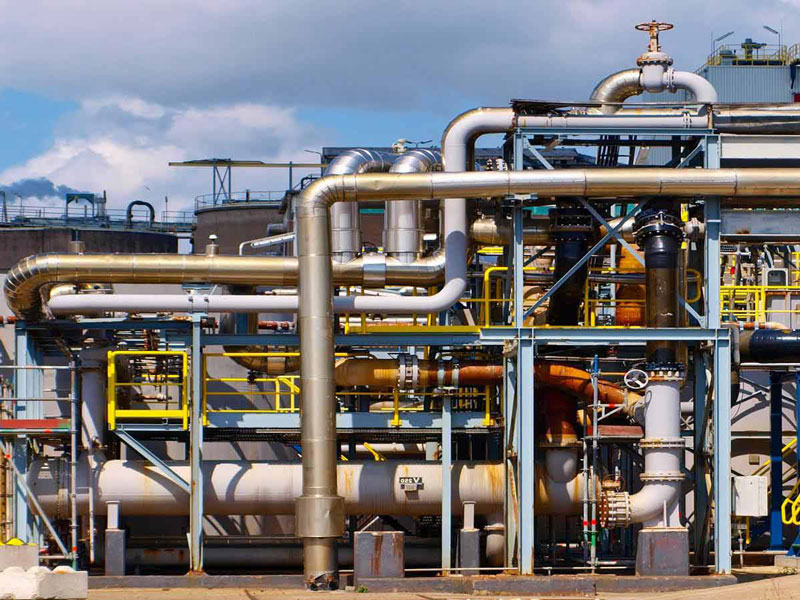
The Advance Pipe Stress Engineering Course in Chennai is becoming one of the most career-focused and industry-oriented training programs for mechanical and piping professionals who want to build expertise in piping stress analysis, flexibility engineering, and industrial piping system safety. With Chennai emerging as one of India’s largest industrial, manufacturing, refinery, and power-sector hubs, the demand for skilled pipe stress engineers is rising steadily across South India and global EPC markets.
Modern industries depend heavily on extensive piping networks that transport high-pressure steam, chemicals, gases, and process fluids across refineries, petrochemical plants, power stations, offshore facilities, and heavy manufacturing units. These piping systems must remain safe and reliable under extreme operating temperatures, pressure fluctuations, vibration forces, and dynamic loads. That is why pipe stress engineering has become a critical discipline in industrial plant design and safety compliance.
The Advance Pipe Stress Engineering Course in Chennai prepares learners with the technical knowledge and practical expertise needed to design, analyze, and troubleshoot piping systems as per international engineering standards. National and global forecasts indicate a steady rise in demand for professionals skilled in piping flexibility analysis, support engineering, and stress evaluation across oil & gas, petrochemical, LNG, power, and process industries.
Professionals in this domain are responsible for evaluating piping stresses, designing expansion loops, selecting supports and restraints, reducing vibration risks, and ensuring that piping loads remain within allowable limits as per ASME codes. They work with stress analysis tools such as CAESAR II, piping design platforms, EPC documentation systems, and industrial compliance methodologies.
The Advance Pipe Stress Engineering Course in Chennai focuses on practical training, real-world project exposure, and job-oriented learning, making learners ready for industries that rely heavily on safe piping infrastructure and advanced plant engineering systems.
Field Scope & Importance of Pipe Stress Engineering
- Learn how to analyze piping systems for thermal expansion, pressure loads, and operating stresses
- Understand flexibility design principles for high-temperature pipelines
- Explore pipe support engineering, hanger selection, and restraint systems
- Gain knowledge in equipment nozzle load calculations for pumps, turbines, compressors, and vessels
- Master vibration analysis and dynamic load evaluation for industrial piping networks
- Study global standards such as ASME B31.3, ASME B31.1, API codes, and safety compliance practices
Eligibility
- Mechanical Engineering Degree/Diploma holders
- Piping Design Engineers seeking specialization
- EPC project engineers working in refinery and plant engineering
- Oil & gas and petrochemical professionals
- Power plant piping engineers and maintenance staff
- Engineering graduates aiming for high-growth industrial roles
- Working professionals looking for international piping opportunities
Working Steps for Advance Pipe Stress Engineering

System Design
Engineers review P&IDs, piping layouts, isometric drawings, operating temperature and pressure data, material specifications, and equipment details.

Load Definition
Engineers apply various load cases, including: Sustained loads (pipe weight + pressure) Thermal expansion loads Occasional wind loads Seismic earthquake loads Dynamic vibration loads

Stress Analysis
Piping systems are modeled using CAESAR II software to simulate real operating conditions.

Compliance Check
Check results against design codes like ASME B31.3 and generate reports. Ensure the system is safe, reliable, and documentation-ready.
Curriculum
- Introduction to Pipe Stress Analysis
- Stress Categories
- Pipe Support Span Calculations
- Standard Compliance for various equipments
- Piping Configuration
- Miscellaneous
- Defining Load Cases
- Code Compliance: Stresses –Sustained, Expansion,Operating, Occasional
- Typical Piping Configuration for ease in analysis
Core Functions of a Advanced Pipe Stress Engineering

Piping Flexibility Analysis
Understand how piping systems expand and contract under temperature changes and how loops and offsets absorb stress.

Equipment Protection
Learn how excessive loads affect pumps, compressors, heat exchangers, and pressure vessels.

Support Engineering
Design support systems that ensure controlled movement and long-term stability.

Dynamic and Seismic Analysis
Analyze vibration, seismic response spectrum, and wind-induced forces.

Code Compliance & Safety
Ensure piping systems meet ASME, API, and global safety standards.

Safety Assurance
Focuses on preventing failure, leaks, and damage in critical piping systems.
Ready to Lead in Industrial Piping and EPC Projects?
The Advance Pipe Stress Engineering Course in Chennai provides learners with the expertise to design, analyze, implement, and maintain safe piping networks that power modern industries.
Pipe stress engineering is no longer optional—it has become a critical requirement for ensuring:
Plant safety
Equipment reliability
Energy efficiency
Compliance with international standards
Long-term operational performance
Chennai, being one of South India’s most important industrial and engineering cities, offers excellent opportunities for learners pursuing advanced piping stress training.
The city is home to expanding sectors such as petrochemical industries, refinery-linked operations, power generation projects, offshore engineering facilities, heavy manufacturing industries, and EPC contractors.
With increasing investments in industrial infrastructure, LNG terminals, smart manufacturing upgrades, and large-scale process industries, Chennai provides a strong platform for building a successful career in pipe stress engineering.
Why Choose an Advance Pipe Stress Engineering Course in Chennai?
Powering Industrial Plant Safety
Piping systems form the backbone of process industries, ensuring safe transportation of fluids and gases across refineries, chemical plants, pharmaceutical industries, LNG terminals, and power stations.
Every industrial process depends on maintaining safe stress limits in piping networks under high temperature, pressure, vibration, and dynamic conditions. Pipe stress engineers ensure pipelines remain within allowable limits while optimizing plant performance and reducing downtime.
Chennai is home to major industrial giants, EPC contractors, offshore engineering companies, and manufacturing firms that rely on skilled pipe stress engineers to manage complex piping systems.
Learners who want to explore similar opportunities in other regions can also check out the Advance Pipe Stress Engineering Course in Baroda, which provides strong exposure to EPC-driven industrial environments in Gujarat.
Chennai’s Industrial Advantage
Chennai’s industrial growth includes petrochemical plants, refinery-linked projects, power generation systems, offshore engineering operations, heavy manufacturing units, and large-scale EPC developments.
The city provides opportunities in:
Industrial piping stress and flexibility engineering
Refinery and petrochemical plant piping networks
Power plant steam piping systems and safety compliance
Offshore and marine piping stress projects
LNG terminal piping infrastructure
Manufacturing process plant piping optimization
From industrial expansions to modernization upgrades, Chennai offers the perfect environment for launching a successful pipe stress engineering career.
What You’ll Learn in an Advance Pipe Stress Engineering Course in Chennai
Comprehensive Industry-Focused Curriculum
The Advance Pipe Stress Engineering Course in Chennai delivers a structured and career-oriented syllabus designed for freshers and working professionals.
The course covers:
Pipe Stress Fundamentals and Flexibility Concepts
ASME B31.3 and ASME B31.1 Code Compliance
Thermal Expansion and Sustained Load Calculations
Pipe Support and Restraint Engineering
Equipment Nozzle Load Evaluation
Dynamic Analysis for Wind and Seismic Loads
Stress Report Preparation and Industrial Documentation
Software Training with CAESAR II
Through hands-on projects and industrial case studies, learners gain practical expertise aligned with modern industry needs.
Industry-Oriented Practical Training
Practical exposure is one of the strongest advantages of pursuing the Advance Pipe Stress Engineering Course in Chennai.
Training includes:
Real piping stress model development
Load case generation and analysis practice
Support placement optimization and design
Spring hanger and snubber selection methods
Equipment safety evaluation through nozzle load checks
Stress report documentation and EPC deliverables
This real-world approach ensures learners become job-ready for industrial piping stress environments.
Tools and Software Exposure
Modern pipe stress engineering requires familiarity with advanced design and analysis tools. Learners gain exposure to:
CAESAR II Pipe Stress Analysis Software
AutoCAD for piping drawings and layouts
Pipe support design methodologies
EPC documentation practices
Industrial simulation and project-based learning
Pipe stress professionals often work closely with electrical and automation engineering teams in large-scale industrial plants. Many learners strengthen their multidisciplinary expertise with related programs such as the Electrical Design Engineering Course in Mumbai, which supports careers in industrial electrical systems, plant power infrastructure, and engineering project integration.
Combining piping stress expertise with electrical design knowledge creates strong career growth opportunities in EPC projects.
Career Opportunities After Completion
An Advance Pipe Stress Engineering Course in Chennai unlocks multiple high-growth career roles, such as:
Pipe Stress Engineer
Piping Design and Flexibility Engineer
Stress Analysis Specialist
EPC Project Engineer
Pipe Support Design Engineer
Commissioning and Maintenance Engineer
Offshore and LNG Piping Stress Consultant
Starting salaries typically range from 4–7 lakhs annually, while experienced professionals can earn 10–20 lakhs or more, especially in offshore oil & gas and international EPC projects.
Industries Hiring Pipe Stress Engineers in Chennai
Pipe stress engineering skills are required in industries such as:
Oil & gas refineries and petrochemical industries
LNG terminals and offshore projects
Power generation and utility systems
Chemical and fertilizer production units
Pharmaceutical and manufacturing industries
Marine and shipbuilding piping engineering
EPC engineering consultancy firms
Chennai’s strong industrial ecosystem ensures consistent demand for skilled pipe stress engineers.
Future Growth in Pipe Stress Engineering
The future of pipe stress engineering is closely connected to trends such as:
LNG and hydrogen pipeline expansions
Industry 4.0 smart plant monitoring systems
Digital twin-based piping stress simulation
Predictive maintenance technologies
Sustainability-driven plant safety upgrades
Offshore infrastructure development
This makes the Advance Pipe Stress Engineering Course in Chennai highly valuable for long-term career growth in global industries.
Conclusion – Launch Your Pipe Stress Engineering Career in Chennai
The field of pipe stress engineering is essential for industries that depend on safe, efficient, and reliable piping networks. Whether you are a fresher looking to enter industrial plant engineering or a working professional aiming to upgrade your technical expertise, choosing an Advance Pipe Stress Engineering Course in Chennai provides the right foundation for long-term success.
Chennai’s expanding industrial ecosystem, strong demand for pipe stress engineers, and exposure to petrochemical, offshore, manufacturing, LNG, and power industries make it one of the best cities in South India to build a future-ready career in piping stress and flexibility engineering.
If your goal is to master piping stress analysis, thermal expansion design, pipe support engineering, global compliance codes, and modern plant safety technologies, then enrolling in an Advance Pipe Stress Engineering Course in Chennai is one of the most effective pathways toward professional growth and global career opportunities.
For learners exploring similar opportunities in other regions, the Advance Pipe Stress Engineering Course in Baroda is also an excellent option.
And for professionals aiming to combine piping expertise with industrial electrical infrastructure skills, the Electrical Design Engineering Course in Mumbai provides strong multidisciplinary career support.