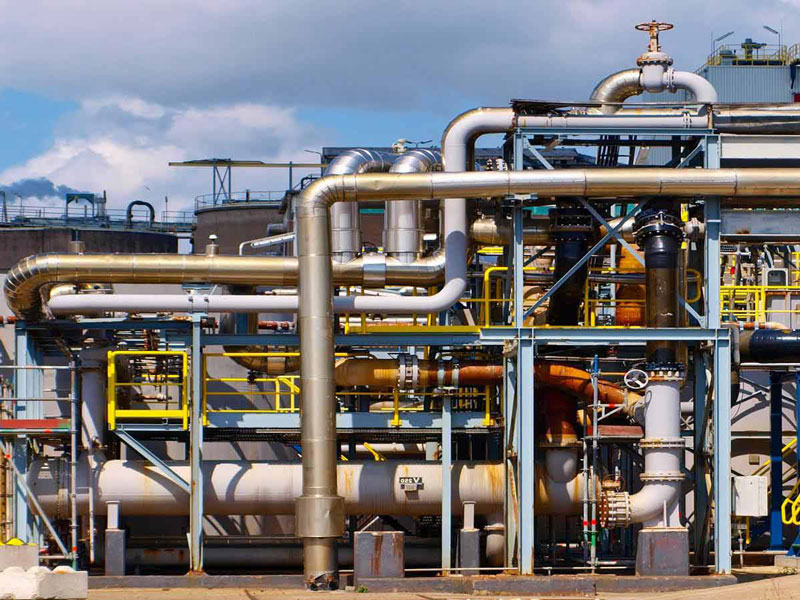
The Advance Pipe Stress Engineering Course in Bangalore is emerging as one of the most sought-after specialized training programs for aspiring engineers and professionals aiming to excel in the field of piping design, stress analysis, and industrial infrastructure engineering. With the rapid evolution of industries towards complex energy projects, petrochemical refineries, and large-scale manufacturing facilities, the need for experts proficient in pipe stress engineering is surging across India and beyond. The Advance Pipe Stress Engineering Course in Bangalore equips learners with advanced skills in analyzing piping systems under various loads, ensuring structural integrity, compliance with international standards, and optimal performance in high-pressure environments.
In today’s industrial landscape, pipe stress engineering plays a pivotal role in preventing failures, minimizing downtime, and enhancing safety in piping networks that transport fluids, gases, and chemicals. From oil and gas pipelines to power plant piping systems, chemical processing units, and offshore platforms, robust pipe stress analysis is essential for maintaining operational efficiency and regulatory compliance. The Advance Pipe Stress Engineering Course in Bangalore addresses this growing demand by providing hands-on training in advanced software tools, simulation techniques, and real-world application scenarios, making it ideal for those looking to build a career in mechanical and process engineering sectors.
Driven by India’s ambitious infrastructure development, energy sector expansions, and the push towards sustainable industrial practices, the Advance Pipe Stress Engineering Course in Bangalore prepares students and professionals for roles that are critical in ensuring the longevity and safety of piping installations. National projections highlight a significant increase in demand for pipe stress engineers in sectors like oil and gas, petrochemicals, power generation, pharmaceuticals, and renewable energy projects. Professionals trained through the Advance Pipe Stress Engineering Course in Bangalore become adept at handling thermal expansions, seismic loads, wind effects, and other dynamic forces that impact piping systems.
Key responsibilities in pipe stress engineering include performing flexibility analysis, selecting appropriate supports and restraints, and integrating piping designs with overall plant layouts. The Advance Pipe Stress Engineering Course in Bangalore covers essential tools like CAESAR II software, AutoPIPE, and PDMS, alongside fundamental principles of ASME codes, API standards, and EN regulations. This comprehensive approach ensures that graduates are ready to tackle challenges in modern industrial setups where piping failures can lead to costly shutdowns and safety hazards.
The Advance Pipe Stress Engineering Course in Bangalore emphasizes practical, industry-aligned training, focusing on simulation-based learning, case studies from real projects, and collaborative problem-solving to prepare learners for the dynamic world of engineering consultancy and EPC (Engineering, Procurement, and Construction) firms.
Field Scope & Importance of Pipe Stress Engineering
- The Advance Pipe Stress Engineering Course in Bangalore delves into the critical aspects of ensuring piping systems can withstand operational stresses without compromising safety or efficiency.
- Learn advanced techniques for stress analysis to prevent pipe failures in high-temperature and high-pressure environments.
- Understand the impact of thermal expansion, vibration, and external loads on piping integrity.
- Explore software tools for modeling and simulating piping behaviors under various conditions.
- Gain expertise in compliance with international codes like ASME B31.3, B31.1, and EN 13480.
- Master support design, hanger selection, and restraint optimization for complex piping networks.
Eligibility
- Fresh or experienced Mechanical Engineers with a degree or diploma.
- Chemical and Process Engineers seeking specialization in piping stress.
- Piping Designers and CAD professionals aiming to advance their skills.
- Engineering graduates from related fields looking for industrial roles.
- Working professionals in oil and gas, petrochemicals, or power sectors upgrading for career progression.
Working Steps for Advance Pipe Stress Engineering

System Modeling
Build digital models of piping layouts using isometric drawings and P&IDs to simulate real-world configurations.

Load Application
Apply various loads such as pressure, weight, thermal, wind, and earthquake forces to the model.

Analysis Execution
Run static and dynamic analyses to identify stress hotspots and deflections.

Optimization and Reporting
Refine designs by adjusting supports or routings, and generate compliance reports for project approvals.
Curriculum
- Introduction to Pipe Stress Analysis
- Stress Categories
- Pipe Support Span Calculations
- Standard Compliance for various equipments
- Piping Configuration
- Miscellaneous
- Defining Load Cases
- Code Compliance: Stresses –Sustained, Expansion,Operating, Occasional
- Typical Piping Configuration for ease in analysis
Core Functions of a Advanced Pipe Stress Engineering

Piping Flexibility Analysis
Understand how piping systems expand and contract under temperature changes and how loops and offsets absorb stress.

Equipment Protection
Learn how excessive loads affect pumps, compressors, heat exchangers, and pressure vessels.

Support Engineering
Design support systems that ensure controlled movement and long-term stability.

Dynamic and Seismic Analysis
Analyze vibration, seismic response spectrum, and wind-induced forces.

Code Compliance & Safety
Ensure piping systems meet ASME, API, and global safety standards.

Safety Assurance
Focuses on preventing failure, leaks, and damage in critical piping systems.
Ready to Excel in Pipe Stress Engineering?
Enrolling in the Advance Pipe Stress Engineering Course in Bangalore positions you at the forefront of industrial engineering, where expertise in stress analysis is key to successful project execution. In an era where energy demands are escalating and infrastructure projects are multiplying, pipe stress engineering ensures that piping systems operate safely and efficiently, reducing risks and optimizing costs.
Bangalore, as a major hub in Eastern India for engineering and industrial activities, provides an ideal setting for the Advance Pipe Stress Engineering Course in Bangalore. The city boasts thriving sectors including petrochemical refineries, power plants, steel manufacturing, shipbuilding, and chemical industries, offering abundant opportunities for hands-on exposure and career placements.
With investments pouring into pipeline networks, LNG terminals, and renewable energy installations, the Advance Pipe Stress Engineering Course in Bangalore equips learners with skills that are in high demand both locally and globally.
Why Choose an Advance Pipe Stress Engineering Course in Bangalore?
The Advance Pipe Stress Engineering Course in Bangalore stands out for its focus on empowering engineers to handle the complexities of modern piping systems in process industries.
Pipe stress engineering is indispensable in sectors where fluid transportation is critical, such as oil refineries, gas processing plants, chemical factories, power stations, and pharmaceutical facilities. It involves predicting and mitigating stresses that could lead to leaks, ruptures, or structural failures, thereby safeguarding lives, environments, and investments.
Bangalore strategic location and industrial prowess make the Advance Pipe Stress Engineering Course in Bangalore particularly advantageous. Home to giants like Indian Oil Corporation, Haldia Petrochemicals, and various EPC firms, the city offers real-world project exposure. Learners can network with industry experts and participate in site visits, enhancing their practical knowledge.
For those interested in similar programs elsewhere, the Advance Pipe Stress Engineering Course in Navi Mumbai provides excellent training in South India’s vibrant energy and petrochemical sectors.
The Advance Pipe Stress Engineering Course in Bangalore at Trinket Institute of Technology (TIT) integrates theoretical foundations with advanced simulations, preparing graduates for roles in design consultancies, construction firms, and maintenance operations.
Bangalore Industrial Advantage
Bangalore industrial landscape is rich with opportunities for pipe stress engineers, including:
Petrochemical and refinery projects requiring robust piping designs.
Power generation facilities with high-pressure steam lines.
Steel plants and heavy manufacturing units with complex utility piping.
Chemical processing industries handling corrosive fluids.
Offshore and marine engineering for pipeline installations.
Environmental and water management projects involving large-diameter pipes.
The city’s connectivity to ports and rail networks further amplifies the scope for the Advance Pipe Stress Engineering Course in Bangalore, facilitating careers in export-oriented industries and international projects.
What You’ll Learn in an Advance Pipe Stress Engineering Course in Bangalore
The curriculum of the Advance Pipe Stress Engineering Course in Bangalore is meticulously crafted to blend theory, software proficiency, and practical applications.
Comprehensive Industry-Focused Curriculum
Topics include:
Advanced stress analysis techniques using finite element methods.
Piping code interpretations and compliance strategies.
Thermal and mechanical load calculations.
Vibration analysis and fatigue assessment.
Nozzle load evaluations on equipment.
Case studies from failed and successful piping projects.
Industry-Oriented Practical Training
Hands-on sessions in the Advance Pipe Stress Engineering Course in Bangalore feature:
Building piping models in CAESAR II and Auto PIPE.
Simulating dynamic loads and interpreting results.
Designing expansion loops and flexible joints.
Preparing stress isometrics and support sketches.
Troubleshooting common issues like overstress or support failures.
Collaborating on group projects mimicking real EPC workflows.
To complement skills in related fields, many learners also explore the Process Engineering Course in Mumbai, which enhances understanding of overall plant processes and integrates well with pipe stress engineering.
Tools and Software Exposure
The Advance Pipe Stress Engineering Course in Bangalore provides training on industry-standard tools such as:
CAESAR II for static and dynamic analysis.
Auto PIPE for advanced modeling.
PDMS/E3D for 3D piping design integration.
ANSYS for finite element simulations.
ROHR2 for European code compliance.
Excel-based tools for quick calculations and reporting.
Career Opportunities After Completion
Completing the Advance Pipe Stress Engineering Course in Bangalore opens doors to rewarding careers with competitive salaries starting from 5-7 lakhs per annum for freshers, scaling up to 12-20 lakhs for experienced professionals.
Roles include:
Pipe Stress Engineer
Piping Analyst
Design Engineer (Piping)
EPC Project Engineer
Maintenance Specialist in Stress Analysis
Consultant in Piping Integrity
Lead Engineer in Offshore Projects
Industries Hiring Pipe Stress Professionals in Bangalore
Demand spans across:
Oil & Gas Exploration and Refineries
Petrochemical and Chemical Plants
Power Generation and Nuclear Facilities
Pharmaceutical and Biotech Industries
Steel and Metallurgical Units
Marine and Shipbuilding Sectors
Renewable Energy Projects like Solar and Wind Farms
Vapi’s ecosystem ensures steady job placements through TIT’s industry partnerships.
Future Growth in Pipe Stress Engineering
The Advance Pipe Stress Engineering Course in Bangalore aligns with emerging trends such as:
Digital Twins for Predictive Stress Analysis
Integration with IoT for Real-Time Monitoring
Sustainable Piping Designs for Green Energy
Advanced Materials like Composites for High-Performance Pipes
AI-Driven Optimization of Piping Layouts
Global Standards for Hydrogen and LNG Pipelines
This forward-looking approach makes the Advance Pipe Stress Engineering Course in Bangalore a gateway to future-proof careers.
Conclusion – Launch Your Pipe Stress Engineering Career in Bangalore
The Advance Pipe Stress Engineering Course in Bangalore at Trinket Institute of Technology (TIT) is your stepping stone to mastering the art and science of ensuring piping systems’ reliability in demanding industrial environments. Whether you’re a recent graduate or a seasoned professional, this course offers the depth and breadth needed to thrive in a field that’s integral to India’s industrial growth.
With Bangalore booming sectors in energy, manufacturing, and infrastructure, the Advance Pipe Stress Engineering Course in Bangalore provides unparalleled opportunities for skill development, networking, and employment. Embrace the Advance Pipe Stress Engineering Course in Bangalore today to become a key player in shaping safer, more efficient industrial futures.