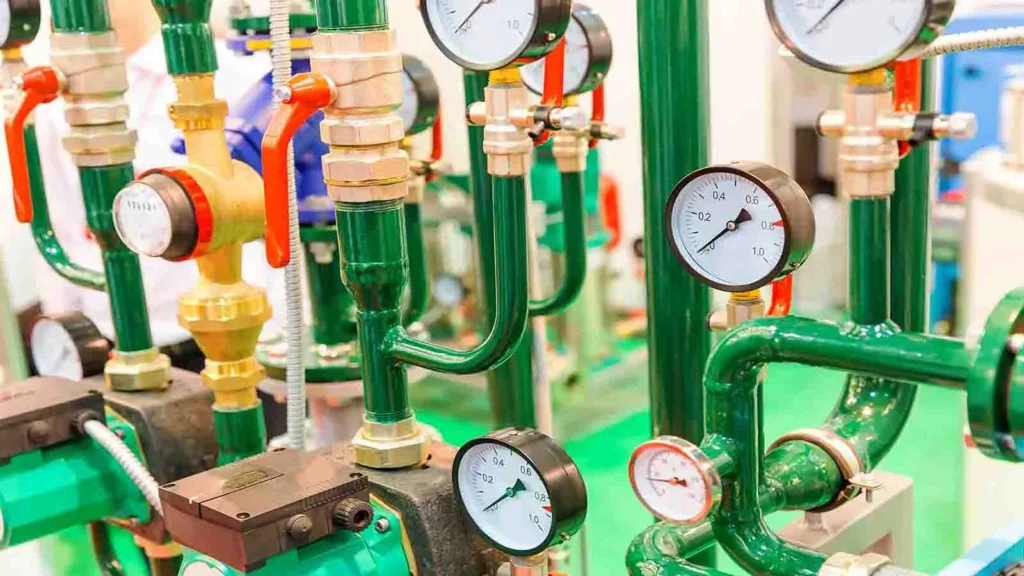
The industrial sector is expanding rapidly across India, creating a strong demand for skilled engineers who can manage automation, instrumentation, and control systems. Industries today depend heavily on accurate measurement and regulation of process variables such as temperature, pressure, flow, and level to ensure safe and efficient plant operations. This growing requirement has made instrumentation and control engineering one of the most promising career fields for both freshers and working professionals.
The Instrumentation & Control Design Course in Valsad prepares students for this increasing demand by offering practical, industry-focused training aligned with modern automation technologies. Valsad, located in the industrial belt of South Gujarat, is emerging as an important center for manufacturing, chemicals, pharmaceuticals, and process industries. With continuous industrial development in and around the region, Valsad provides an ideal environment for learners who want to build expertise in instrumentation design and industrial control systems.
Professionals in this domain are responsible for designing and maintaining instruments that monitor critical industrial parameters. They also work with actuators, control valves, PLC systems, SCADA monitoring platforms, and safety automation technologies that ensure smooth and reliable industrial performance. The Instrumentation & Control Design Course in Valsad focuses on hands-on learning and real-world applications, making learners job-ready for high-demand industries that rely on automation and process control.
Field Scope & Importance
- Monitoring and controlling industrial processes for operational efficiency
- Selecting sensors for measuring temperature, pressure, flow, and level
- Understanding PLC, SCADA, and DCS systems used in automation industries
- Learning signal transmission, conditioning, and interpretation from field instruments
- Mastering calibration procedures for accuracy and reliability
- Studying global standards like ISA, IEC, and ISO followed in industrial projects
Eligibility
- Fresh or experienced Degree/Diploma Instrumentation Engineers
- Fresh or experienced Degree/Diploma Electrical Engineers
- Electronics and automation professionals seeking specialization
- Engineering graduates aiming for core industrial job roles
Working Steps for Instrumentation & Control Engineering

System Design
Engineers plan and design instrumentation systems that measure and control process variables such as pressure, flow, temperature, and level.

Component Selection
Professionals choose suitable sensors, transmitters, controllers, actuators, and control valves based on plant requirements and safety standards.

Instrument Setup
Instruments are installed, configured, and calibrated to ensure accurate measurements and reliable system operation.

Performance Monitoring
Continuous monitoring, troubleshooting, and preventive maintenance are performed to maintain system efficiency and reduce industrial downtime.
Curriculum
- Instrumentation Design - An Introduction
- Starting a Project
- Control Valve Sizing & Selection
- Flow Instruments
- Level Instruments
- Pressure Instruments
- Instrumentation Control
- Layout & BOQ
- Protection System
- Detail Engineering Project Deliverables
Core Functions of Instrumentation & Control

Real-Time Monitoring
Learn to track and manage industrial processes through accurate measurement and control systems.

Sensor Applications
Understand how different sensors measure key parameters like flow, pressure, temperature, and level.

Control Integration
Gain skills in working with PLC, SCADA, and DCS platforms for automation and regulation.

Signal Conditioning
Explore how signals are processed and transmitted from field instruments to control units.

Calibration & Maintenance
Develop expertise in calibrating instruments to maintain reliability and accuracy.

Standards & Safety
Learn safety regulations and international standards essential for instrumentation engineering practices.
Ready to Lead in Industrial Automation?
The Instrumentation & Control Design Course in Valsad offers a powerful pathway to enter high-growth industrial sectors where automation and process control systems are essential. With industries adopting advanced technologies, skilled instrumentation professionals are needed to design, implement, and maintain control systems that ensure operational safety and efficiency.
Valsad’s industrial ecosystem, combined with strong training opportunities, makes it a strategic location for learners aiming to build long-term careers in instrumentation and control engineering.
Why Choose an Instrumentation & Control Design Course in Valsad?
Valsad is developing rapidly as an industrial hub in South Gujarat, supported by nearby regions like Vapi, Silvassa, Surat, and major chemical and pharmaceutical zones. This makes it an ideal location for specialized technical training in automation and process industries. Learners who want to expand their expertise further can also explore related programs such as the Process Equipment Design Course in Mumbai to build strong knowledge in industrial plant engineering and design workflows.
Growing Industrial Advantage
Valsad is surrounded by manufacturing plants, chemical processing industries, and automation-driven production units that require skilled instrumentation engineers.
Strong Demand for Automation Professionals
Industries are investing heavily in smart process control systems, creating consistent demand for engineers trained in instrumentation and automation.
Practical Exposure and Career-Focused Training
The Instrumentation & Control Design Course in Valsad emphasizes real-world learning through industrial case studies, design documentation, and hands-on technical skills.
Career Opportunities in Nearby Industrial Zones
With industrial clusters like Vapi GIDC nearby, learners in Valsad gain access to one of the largest process-industry job markets in Gujarat.
Industry Scope for Instrumentation & Control Professionals
Instrumentation control design skills are required in multiple industries, including:
Oil & Gas
Chemical Processing Plants
Power Generation Units
Pharmaceutical Manufacturing
Water Treatment and Environmental Projects
Food & Beverage Production
Automotive and Heavy Engineering Industries
Steel, Mining, and Industrial Utilities
This wide industrial applicability makes the Instrumentation & Control Design Course in Valsad a strong career-building choice.
Key Topics Covered in the Valsad Course
A professional instrumentation training program in Valsad provides deep knowledge in both measurement systems and automation design practices.
Major topics include:
Instrumentation Basics and Industrial Measurement Systems
P&ID Reading and Instrument Tagging Standards
Instrument Datasheets and Technical Specifications
Control Valve Engineering and Actuator Systems
PLC, SCADA, and DCS Automation Architecture
Loop Diagrams, Hook-Up Drawings, and Wiring Concepts
Safety Instrumented Systems and SIL Fundamentals
International Standards, Codes, and Documentation Practices
These topics ensure learners are prepared for both design engineering and plant operations roles.
Tools and Software Exposure
Modern instrumentation design involves engineering tools and automation software. Learners gain familiarity with:
AutoCAD for Instrumentation Drawings
SmartPlant Instrumentation (SPI/Intools)
EPLAN Engineering Tools
PLC Programming Platforms
SCADA System Development Applications
Industrial Simulation and Documentation Tools
Software-based training enhances employability in EPC companies and automation industries.
Career Opportunities After Completion
After completing an Instrumentation & Control Design Course in Valsad, learners can explore roles such as:
Instrumentation Design Engineer
Control Systems Engineer
Automation Engineer
PLC and SCADA Engineer
Commissioning and Maintenance Engineer
Project Execution Engineer
Industrial Process Control Specialist
Starting salaries typically range from 4–6 lakhs annually, with experienced professionals earning significantly higher in global process industries.
Future Growth in Instrumentation & Automation
The future of instrumentation engineering is strongly connected to advanced industrial transformation trends such as:
Industry 4.0 Smart Manufacturing
IoT-Based Industrial Automation
Remote Monitoring and Digital Control Rooms
Predictive Maintenance and Diagnostics
Robotics and Advanced Process Control
Sustainable and Energy-Efficient Plant Operations
This makes the Instrumentation & Control Design Course in Valsad highly valuable for long-term career growth in modern industries.
Conclusion – Build a Future-Ready Engineering Career in Valsad
The field of instrumentation and control design is essential for industries that depend on automation, safety, and accurate process regulation. Whether you are a fresher looking to enter industrial engineering or a working professional aiming to upgrade your technical expertise, choosing an Instrumentation & Control Design Course in Valsad provides the right foundation for success.
With Valsad’s expanding industrial ecosystem, proximity to major process industry zones, and increasing demand for skilled automation professionals, this course becomes a powerful step toward building a stable, rewarding, and future-ready engineering career.
If your goal is to master industrial instrumentation, process automation, and control system design, then the Instrumentation & Control Design Course in Valsad is one of the most effective pathways to achieve long-term professional growth.