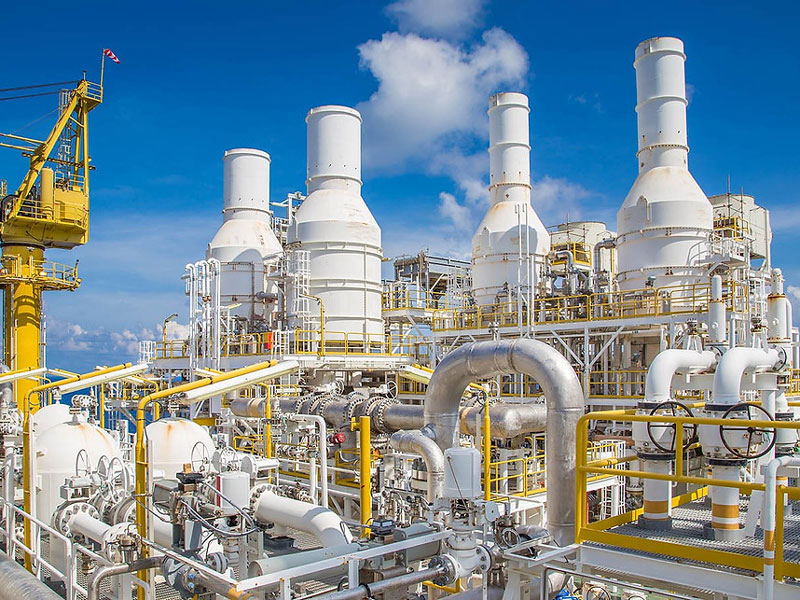
Piping Engineering Course in Surat is a specialized mechanical discipline focused on the planning, design, and development of piping systems and plant layouts for industries such as oil & gas, chemicals, and petrochemicals. Professionals in this domain work on optimizing plant layouts, ensuring accurate equipment placement, and creating safe, efficient piping networks that comply with regulatory and performance standards.
This career path requires strong technical expertise, attention to detail, and adherence to international codes and best practices. With the rapid growth of industrial infrastructure worldwide, skilled piping engineers are in high demand across leading global engineering firms, offering excellent career opportunities for trained professionals
Field Scope & Importance
- Piping Engineering specializes in designing industrial piping systems.
- Essential for chemical, petrochemical, and hydrocarbon facilities.
- Engineers plan equipment placement and piping networks.
- Designs follow global safety codes and standards.
- Ensures reliable and secure plant performance.
- High career opportunities across global industries.
Eligibility
- Fresh/Experienced, Degree/Diploma Mechanical Engineers
- Fresh/Experienced, Degree/Diploma Chemical Engineers
- Fresh/Experienced, Degree/Diploma Production Engineers
Working Steps for Piping Engineering

Process Understanding
Analyze P&ID and process flow diagrams to understand system requirements and routing needs.

Layout & Design
Develop piping layouts using 2D/3D tools, ensuring optimal space usage, accessibility, and safety.

Stress Analysis
Perform pipe stress calculations to evaluate system behavior under thermal and mechanical loads.

Documentation & QA
Generate isometric drawings, BOMs, and ensure design meets industry codes and client standards.
Curriculum
- Introduction
- Piping Fundamental
- ASME Codes & Standard
- Types of Pipes, Types of Joints , Type of Weld , Type Of End Connections.
- Types of Fittings
- Special Fittings
- Types Of Flanges
- Types Of Flange Facing
- Valves
- Branch Connection
- Static & Rotary Equipment
- Process Study
- Terms, Drawings & Layout
- Piping Isometrics
- Pipe Supports
- Materials
Core Function of Piping Engineering

Industry-Relevant Skills
Learn to design efficient piping systems used in oil, gas, chemical, and power industries.

Plant Layout Planning
Master the art of placing equipment and process units for optimal plant performance.

Code Compliance
Understand and effectively apply global standards like ASME, ANSI, and API for safe operations

Software Proficiency
Gain hands-on experience with Tools like SP3D, E3D, Caesar, Auto plant 3D and AutoCAD for design & Analysis.

Real-World Application
Work on real-world case studies and live projects to bridge theory with industry practice and expertise.

Global Career Opportunities
Enter a high-demand field with career prospects across engineering and EPC firms worldwide.
Piping Engineering Course in Surat
The demand for skilled piping engineers continues to rise in India’s rapidly growing oil & gas, petrochemical, refinery, and power plant sectors. A well-structured piping engineering course in Surat gives aspiring engineers the perfect combination of theoretical knowledge and practical exposure that industries actually look for. This industrial city has emerged as one of the most preferred locations for students who want to master piping design, stress analysis, and plant layout without moving to metro cities.
Why Surat is the Best City for Piping Engineering Course
Surat combines industrial exposure, quality training infrastructure, and affordable living — making it an ideal destination for a piping engineering course in Surat .The city is surrounded by major industrial belts such as Sanand, Changodar, Vatva, Bharuch, and Dahej where Reliance, ONGC, GSPC, Shell, Cairn, Adani, and many EPC giants have massive operations. Students who complete their piping engineering course in Surat get the unique advantage of visiting live plants, attending industrial workshops, and networking with professionals who are actually working on multi-crore projects.
The connectivity of Surat through airport, railways, and highways also makes it easy for students from Rajasthan, Madhya Pradesh, Maharashtra, and North India to pursue a piping engineering course in Surat without any hassle.
What You Will Actually Learn in a Piping Engineering Course in Surat
A good piping engineering course in Surat is designed exactly according to current industry requirements. The syllabus covers every single topic that a piping engineer must know before joining any EPC company.
Fundamental Concepts of Piping Engineering
You begin with process plant layout, PFD, P&ID reading and development, plot plan development, equipment layout, and piping layout fundamentals. These topics build the strong foundation that every piping engineer needs.
Piping Materials and Specifications
Detailed study of pipe wall thickness calculation as per ASME B31.3, material selection, valve selection, branch reinforcement calculation, and preparation of PMS/VMS (Piping Material Specification/Valve Material Specification).
3D Modeling Software Skills
Hands-on training on industry-leading software:
- PDMS / E3D (Aveva)
- SP3D (Intergraph)
- AutoCAD Plant 3D
- Bentley AutoPLANT
Students create complete 3D models, extract isometrics, MTO, and GA drawings — exactly the way it is done in real projects.
Piping Stress Analysis
This is the most critical and high-paying skill in piping engineering. A quality piping engineering course in Surat dedicates more than 100 hours to Caesar II training where you learn:
- Static analysis
- Dynamic analysis
- Modal analysis
- Slug flow, water hammer, relief valve thrust
- Underground buried piping analysis
- FRP/GRP piping analysis
- WRC 107/297 nozzle load calculation
- Flange leakage analysis
- Spring design and support selection
Codes and Standards Mastery
Complete understanding of international codes:
- ASME B31.3 (Process Piping)
- ASME B31.4 & B31.8 (Pipeline Transportation)
- ASME B31.1 (Power Piping)
- API 570, 574, 610, 650, 653
- IBR (Indian Boiler Regulation)
- OISD standards
- Shell DEP standards
Detailed Module-wise Breakdown of Piping Engineering Course in Surat
Process Plant Layout & Piping Design Basics
- Introduction to oil & gas, refinery, petrochemical, fertilizer, power, and pharmaceutical plants
- Development of Plot Plan
- Equipment layout principles (distillation column, heat exchanger, pump, tank, reactor layout)
- Piping layout rules for pump, compressor, exchanger, distillation column, storage tank
- Pipe rack design, flare line routing, underground piping
- Steam piping and tracing requirements
- Nozzle orientation principles
- Piping supports types and selection
Piping Material Engineering
- ASTM material grades and specifications
- Pipe manufacturing methods
- Valve types and applications (gate, globe, check, butterfly, PSV, control valve)
- Preparation of piping material specification (PMS)
- Valve material specification (VMS)
- Special items (strainers, hoses, steam traps, expansion bellows)
3D Modeling – PDMS / E3D / SP3D
- Complete plant modeling from scratch
- Equipment modeling
- Piping modeling with spec
- Structure and cable tray modeling
- Draft module for GA drawing extraction
- Iso-draft module for isometric extraction
- Clash checking and report generation
- Model review using Navisworks / SPR
Piping Stress Analysis
- Complete static and dynamic analysis
- Load case preparation as per ASME
- Expansion loop design
- Expansion bellow selection
- Support selection and optimization
- Nozzle qualification (WRC 107/297)
- Flange leakage check using ASME Section VIII Div 1 & 2 and equivalent pressure method
Mechanical Equipment Design Basics
- Pressure vessel design basics
- Heat exchanger design (TEMA types)
- Storage tank design as per API 650
- Distillation column internals
Pipe Supports and Drafting
- Primary and secondary support selection
- Special support design (snubber, sway strut, hydraulic damper)
- Spring hanger design (variable & constant)
- Piping isometric drawing standards
- General arrangement drawing preparation
Project Work & Live Industrial Exposure
Most reputed institutes offering piping engineering course in Surat include live project work where students work on real-time refinery or petrochemical plant data. This gives them confidence and makes their resume stand out.
Skills You Gain After Completing Piping Engineering Course in Surat
After completing a professional piping engineering course in Surat , you will be able to:
- Read and develop P&ID independently
- Prepare equipment and piping layout
- Perform pipe wall thickness and branch reinforcement calculation
- Create complete 3D model using PDMS/E3D/SP3D
- Perform stress analysis using Caesar II and provide flexible analysis report
- Prepare piping material specification and MTO
- Extract isometric drawings with complete BOM
- Conduct model review and clash resolution
- Prepare as-built drawings
- Handle site engineering activities
These are exactly the skills that companies like L&T, Technip, Jacobs, Fluor, Saipem, Petrofac, Reliance Engineering, Toyo, Samsung E&A, McDermott, Worley, and many others look for.
Career Paths After Piping Engineering Course in Surat
Graduates of piping engineering course in Surat find opportunities in multiple domains:
Piping Design Engineer / Layout Engineer
Responsible for plant layout, piping routing, and 3D modeling.
Piping Stress Engineer
The highest-paid role in piping department. Handles critical line analysis, support design, and ensures system flexibility.
Piping Material Engineer
Prepares specifications, MTO, and handles procurement activities.
Piping Site Engineer
Works at construction sites for installation, testing, and commissioning.
Piping Draftsman / Modeler
Creates drawings and 3D models using AutoCAD/PDMS/SP3D.
PDMS / E3D Administrator
Manages catalog, spec creation, and database administration.
Project Engineer / Project Coordinator
Handles complete piping scope in small to medium projects.
How to Choose the Right Piping Engineering Course in Surat
When selecting a piping engineering course in Surat , consider these crucial factors:
- Course duration (minimum 400–600 hours for complete mastery)
- Software coverage (PDMS/E3D + SP3D + Caesar II + AutoCAD
- Stress analysis depth (must include dynamic analysis, WRC, flange leakage)
- Faculty experience (must be from industry with 10+ years)
- Live project work on real plant data
- Industrial visits and workshops
- Placement assistance and alumni network
- Certification value in industry
Benefits of Doing Piping Engineering Course in Surat Over Other Cities
- Lower living cost compared to Mumbai/Pune/Chennai
- Proximity to refineries and petrochemical plants
- Strong Gujarati industrial ecosystem
- Good hostel/PG facilities for outstation students
- Weekend batches available for working professionals
- Multiple institutes to compare and choose from
- Excellent connectivity from all parts of India
Future of Piping Engineering in India
With India’s refining capacity expected to reach 450+ MMTPA and massive investments in LNG terminals, city gas distribution, fertilizer, and green hydrogen projects, the demand for qualified piping engineers will remain strong for the next 15–20 years.
New upcoming projects like:
- Ratnagiri Refinery
- Barmer Refinery expansion
- Paradip petrochemical complex
- Multiple LNG terminals
- Green hydrogen and ammonia plants
—all require thousands of piping engineers.
This makes piping engineering course in Surat one of the smartest career investments today.
If you are serious about building a rock-solid career in the oil & gas or petrochemical industry, enrolling in a professional piping engineering course in Surat is one of the best decisions you can make. The combination of quality training, industrial exposure, practical software skills, and stress analysis expertise will make you completely industry-ready.
Start your journey today. The industry needs skilled piping engineers more than ever, and Surat provides the perfect ecosystem to learn and grow.