


If you are an engineering graduate or a diploma holder from a mechanical, civil, or chemical background and you have been wondering what specialization to pursue for a strong career in the oil and gas or process industry — piping engineering deserves your full attention.
Mumbai, as the financial and industrial capital of India, is also one of the most active hubs for engineering, procurement, and construction companies in the country. EPC firms, oil refineries, petrochemical plants, and large infrastructure developers are concentrated here, and they hire piping engineers consistently throughout the year. This means that pursuing a piping engineering course in Mumbai is not just an academic decision — it is a direct career move with strong return on investment.
This blog covers everything you genuinely need to know: the fees, duration, eligibility criteria, what the course actually teaches, which qualification is the right one for your background, job scope after completion, and realistic salary expectations. No filler, no vague promises — just the practical information you need to make a smart decision.
What Is Piping Engineering and Why Does It Matter?
Before getting into courses and fees, it helps to have a clear picture of what piping engineers actually do.
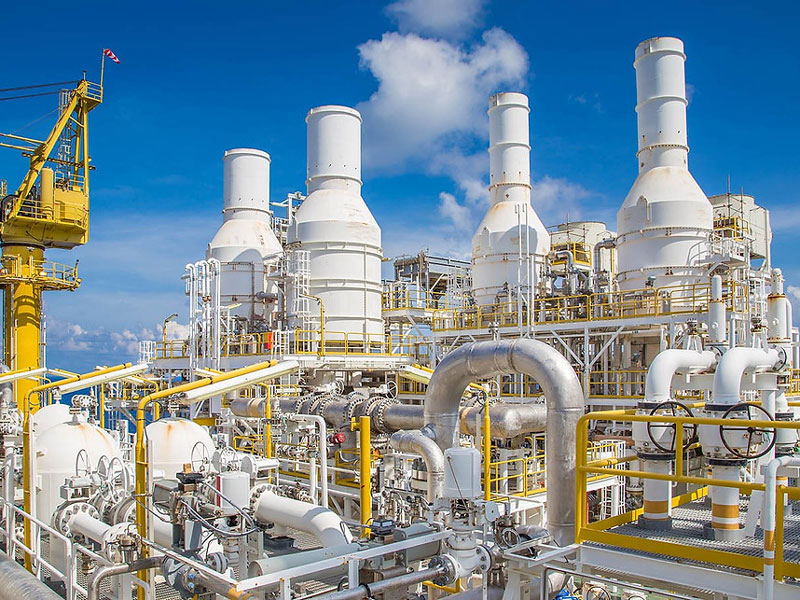
Piping engineering is a specialized discipline within mechanical and process engineering that deals with the design, layout, stress analysis, material selection, and construction supervision of piping systems used in industrial plants. These include oil refineries, gas processing facilities, petrochemical complexes, power plants, pharmaceutical manufacturing units, fertilizer plants, and water treatment infrastructure.
A piping engineer is responsible for ensuring that fluid — whether it is crude oil, natural gas, steam, chemicals, or water — moves safely, efficiently, and without risk of failure through a network of pipes, valves, fittings, flanges, and supports. The work is deeply technical and involves tools like AutoCAD, PDMS (Plant Design Management System), SP3D (Smart Plant 3D), Caesar II for stress analysis, and various international codes including ASME, ANSI, and API standards.
The reason piping engineering commands good salaries and consistent demand is straightforward: every industrial plant in the world has a piping system, and those systems need to be designed by someone who knows what they are doing. A mistake in piping design is not just costly to fix — it can be dangerous. This is why employers value trained and certified piping engineers and pay them accordingly.
Who Should Consider a Piping Engineering Course?
A piping engineering course is not for everyone — but if your background matches, it can be one of the most focused and career-transforming investments you make.
The course is ideally suited for:
Mechanical engineers who want to specialize in a discipline with strong industry demand rather than staying in a generalist role. Civil engineers with an interest in plant and infrastructure design. Chemical engineers who want to move into the process plant engineering space. Diploma holders in mechanical or related fields who want to add a vocational specialization that improves their employment prospects. Working professionals in the piping or plant design domain who want to formalize their knowledge, learn software tools, or upgrade their skills to handle design roles.
If you have a degree or diploma in any of these fields and want a clear, direct path into the oil and gas, refinery, or EPC sector, then understanding how to become a piping engineer in Mumbai starts with choosing the right course and the right institute.
Eligibility Criteria for Piping Engineering Courses
Eligibility requirements vary slightly between institutions, but the general criteria across most reputable institutes offering piping engineering courses in Mumbai are as follows.
For the full professional diploma or advanced program, most institutes require a degree in mechanical, civil, chemical, or production engineering (BE or B.Tech). Some institutes also accept candidates with a diploma in engineering (DME or equivalent) with relevant work experience. Candidates from adjacent fields like instrumentation or electrical engineering are sometimes considered, though the learning curve is steeper.
For shorter certificate courses or module-based programs, eligibility is often more flexible and may include diploma holders, ITI pass-outs with relevant experience, or even working professionals looking to upskill in a specific software or code standard.
There is no age bar for most piping engineering courses, which means working professionals looking to change tracks or upgrade their skills are equally welcome.
What Does a Piping Engineering Course Cover?
This is arguably the most important section for anyone seriously considering enrollment, because the depth and structure of the curriculum is what separates a useful course from one that merely looks good on paper.
A well-structured piping engineering program typically covers the following areas:
Piping Fundamentals — This includes pipe schedules, pipe materials, pressure and temperature ratings, piping components such as flanges, valves, fittings, and gaskets, and basic fluid mechanics as it applies to piping systems.
Piping Codes and Standards — This is critical for anyone wanting to work professionally. ASME B31.1, ASME B31.3, API standards, and IS codes are the backbone of piping design. Understanding these is non-negotiable in real project work.
Piping Layout and Design — How to read and interpret Process Flow Diagrams (PFDs) and Piping and Instrumentation Diagrams (P&IDs), and how to develop piping layouts that are both functional and constructible.
Piping Isometrics — Reading, interpreting, and drawing isometric drawings is a core skill for piping engineers and drafters at every level.
AutoCAD for Piping — 2D drafting using AutoCAD is a baseline skill, and most serious courses cover it in the context of piping drawings specifically.
3D Plant Design Software — PDMS (AVEVA) and SP3D (Intergraph) are the industry-standard tools for 3D plant modeling. A course that includes hands-on training in at least one of these significantly improves your employability.
Caesar II — Pipe Stress Analysis — This is the industry-standard software for pipe stress analysis and is required knowledge for anyone aiming for a stress engineer role. It is more advanced and not always covered in basic courses, but it is a major differentiator in terms of salary and job role.
Material Take-Off (MTO) and Estimation — How to generate and verify material take-offs from piping drawings, which is essential for procurement and project roles.
Piping Construction and Inspection — Understanding how piping systems are fabricated, erected, and inspected in the field, including welding procedures, pressure testing, and non-destructive testing (NDT) basics.
Piping Engineering Course Fees in Mumbai
Let us talk about what you can realistically expect to pay. Piping engineering course fees in Mumbai vary based on the course duration, curriculum depth, software tools covered, and the reputation of the institute.
For short certificate courses of one to three months focused on a specific area such as AutoCAD for piping or piping isometrics, fees typically range from ₹15,000 to ₹35,000.
For medium-duration diploma or professional certificate programs of three to six months covering the full range of piping fundamentals, codes, layout, and software, fees generally fall between ₹40,000 and ₹90,000.
For comprehensive advanced programs of six months to one year that include Caesar II stress analysis, multiple 3D software modules, and project-based training, fees can range from ₹80,000 to ₹1,50,000 or more depending on the institute.
It is worth noting that fees alone should not drive your decision. The curriculum quality, faculty experience, software lab access, and most importantly placement support are factors that matter far more than saving ₹10,000 on enrollment. A course that places you in a reputable EPC firm pays for itself within the first two months of your salary.
Course Duration: How Long Does It Take?
Most candidates ask this early because they want to know how quickly they can complete training and get into the job market.
Short certificate courses run for four to twelve weeks and are best suited for working professionals who want to add a specific skill or software certification.
Professional diploma programs typically run for three to six months, meeting daily or on weekdays, and cover the full breadth of piping engineering topics.
Advanced or postgraduate-level programs run for six months to one year and are designed for those who want deep expertise including stress analysis, project documentation, and comprehensive software training.
Weekend and evening batches are increasingly available in Mumbai for working professionals who cannot attend full-time. These stretch the same content over a longer period but allow you to continue working while upskilling.
Which Piping Course Is Best in Mumbai?
This is a question that deserves an honest answer rather than a sales pitch. Which piping course is best in Mumbai depends entirely on your background and your specific career goal.
If you are a fresh engineering graduate with no work experience, a full professional diploma program of three to six months that includes both software training and project-based assignments is your best option. It gives you enough depth to handle entry-level design roles confidently.
If you already have two to five years of experience in piping drafting or construction and want to move into a design or stress engineering role, a focused advanced course that includes Caesar II and 3D modeling is the right upgrade.
If you are a diploma holder looking for employment as a piping drafter or material controller, a three-month course covering AutoCAD, isometrics, and piping components will significantly improve your chances.
The key quality markers to look for in any course are: experienced faculty with actual industry project experience and not just academic trainers, live software lab access, coverage of current industry codes, and a verifiable placement record. These four factors together tell you more about a course’s real value than any brochure ever will.
Best Piping Engineering Institute in Mumbai with Placement
Finding the best piping engineering institute in Mumbai with placement is the step where most candidates either get it right and launch strong careers, or get it wrong and end up with a certificate that does not open any doors.
Placement support is the factor that separates a good institute from a great one. Many candidates rightly prioritize piping engineering courses in Mumbai with placement because theoretical knowledge alone does not get you hired — you need connections to the hiring companies and structured preparation to face technical interviews confidently.
What genuine placement support looks like in practice: a dedicated placement cell that maintains active relationships with EPC companies and piping consultancies in Mumbai, mock interview preparation covering both technical and HR rounds, guidance on building a strong resume that highlights software skills and project training, and a consistent batch placement record that you can independently verify before enrolling.
Before committing to any institute, ask these questions directly: How many students from the last three batches were placed? In which companies? Within how many months of course completion? These are not uncomfortable questions — they are basic due diligence, and any institute that genuinely delivers on placement will answer them without hesitation.
Mumbai’s EPC sector includes companies like Larsen and Toubro, Tata Projects, Fluor Daniel, Jacobs Engineering, Foster Wheeler, Toyo Engineering, HPCL, BPCL, and dozens of mid-tier consultancies and contractors. A well-networked institute will have active ties with at least several of these firms and can introduce graduates through campus drives or direct referrals.
Institutes like TIT India have built a strong reputation in this space by combining a structured and industry-relevant curriculum with software lab access and active placement networks — exactly the kind of environment that prepares candidates for real project work rather than just issuing a certificate.
How to Choose the Best Institute for Piping Engineering Course in Mumbai
Beyond placement, choosing the best institute for piping engineering course in Mumbai requires evaluating several factors together rather than in isolation.
Faculty background — Ask specifically whether the faculty teaching piping design, stress analysis, and software tools have actual industry experience in EPC or oil and gas projects. Trainers who have worked on real projects teach differently and far more relevantly than those who have only ever been in a classroom.
Software lab infrastructure — Visit the institute before enrolling and verify that licensed copies of PDMS, SP3D, Caesar II, and AutoCAD are installed and available for hands-on student practice. Watching a trainer use software on a projector screen is very different from practicing it yourself under guidance.
Curriculum documentation — Ask for a written, module-by-module curriculum. Any reputable institute will provide this without hesitation. Vague descriptions like “we cover all piping topics” without specifics are a genuine red flag.
Batch size — Smaller batches of ten to twenty students allow for meaningful individual attention, especially during software lab sessions. Larger batches are manageable for lectures but become a problem when hands-on practice time gets divided too thinly.
Alumni verification — Ask for references from past students and reach out to them if possible. This is the single most reliable way to assess whether an institute delivers what it promises, because past students have no reason to give you anything other than their honest experience.
Piping Engineering Jobs in Mumbai for Freshers
One of the most common concerns from fresh graduates is whether jobs are actually available after completing a piping course. The answer is yes — consistently, and across multiple role types.
Piping engineering jobs in Mumbai for freshers typically fall into the following entry-level categories:
Piping Drafter or Designer — The most common entry-level role. You will work in a design office creating piping layouts, isometric drawings, and 3D model updates using AutoCAD and either PDMS or SP3D. This is where most piping engineering careers begin.
Piping Material Engineer (Junior) — Involves working on material specifications, vendor documents, and MTO verification. It is documentation-heavy and excellent for understanding the procurement and commercial side of piping projects.
Site Piping Engineer (Junior) — Based on construction sites, this role involves supervising piping erection, supporting inspection activities, and ensuring that work proceeds per approved drawings and specifications. It is a great learning ground for those who prefer field roles over office-based work.
Piping Stress Analyst (Trainee) — A more technical role requiring Caesar II knowledge, usually offered to fresh graduates only by larger consultancies willing to invest in training. It comes with a higher starting salary and faster career trajectory.
Most entry-level roles in Mumbai require candidates to have completed a recognized piping engineering course, demonstrate hands-on software skills, and read engineering drawings confidently — exactly the combination that a well-structured course delivers.
Piping Engineer Salary in Mumbai for Freshers
Let us talk about realistic numbers because vague salary claims help no one.
Piping engineer salary in Mumbai for freshers who have completed a recognized course and have working software skills typically starts in these ranges:
Fresh piping drafters and junior designers typically earn between ₹18,000 and ₹30,000 per month at the start, with salary growing steadily as project experience accumulates. Freshers placed in mid-to-large EPC companies generally start at the higher end of this range.
Junior piping material engineers and site engineers earn between ₹20,000 and ₹35,000 per month, with site allowances and per diem often added for projects in outstation locations.
Freshers with Caesar II knowledge placed in stress analysis roles earn between ₹25,000 and ₹45,000 per month as a starting figure, because this skill is genuinely scarce among fresh graduates and companies pay a premium for it.
Within two to four years of experience, piping engineers in Mumbai typically see their salaries move into the ₹50,000 to ₹90,000 per month range. Senior piping engineers and stress leads with eight to ten years of project experience routinely earn between ₹1.2 lakh and ₹2.5 lakh per month in Mumbai-based roles, with significantly higher compensation for those deployed on international projects in the Middle East, Southeast Asia, or Africa.
The salary trajectory in piping engineering is one of the strongest among all mechanical engineering specializations, which is a key reason this career path continues to attract serious candidates year after year.
A Realistic Timeline: From Enrollment to First Job
For a fresh engineering graduate starting from zero, here is a practical and honest timeline:
Months one to six: Complete a professional piping engineering diploma program with software training. This is your full-time focus during this period — treat it with the same seriousness as your engineering degree.
Months four to six (overlapping): Begin building your portfolio during the course itself. Save your AutoCAD drawings, your 3D model screenshots, and your project assignments. These become your portfolio for interviews.
Months five to eight: Actively apply to EPC companies and piping consultancies in Mumbai. Use your institute’s placement cell, apply directly on LinkedIn and Naukri, attend any campus drives organized by your institute, and reach out to senior professionals in the field through LinkedIn for guidance.
Months six to ten: Most placed candidates secure their first offer within two to six months of completing a quality course, depending on how actively they pursue opportunities and current market conditions.
From first job onward: Focus on accumulating project hours, learning from site or design office experience, and expanding your software proficiency. Your salary and designation will grow meaningfully with each year of solid project exposure.
Final Thoughts
Piping engineering is one of those rare specializations where the path forward is clear, the demand is consistent, and the career ceiling is genuinely high. The barrier to entry — completing the right course from the right institute — is achievable with focused effort and a modest financial investment, and the return on that investment plays out across decades of a well-paying career.
Mumbai is the ideal city to build this career. The density of EPC firms, oil and gas consultancies, and process industry clients here means that a trained and software-skilled piping engineer is never far from a strong opportunity. The key is getting the foundation right — choosing a course that combines curriculum depth, real software access, experienced faculty, and verified placement support.
Take the time to visit institutes in person, ask the hard questions about faculty backgrounds and placement records, speak to past students if you can, and make a decision based on evidence rather than brochures. The investment you make in the right piping engineering course will pay itself back many times over — across a career that can take you from Mumbai’s design offices to project sites across India and around the world.